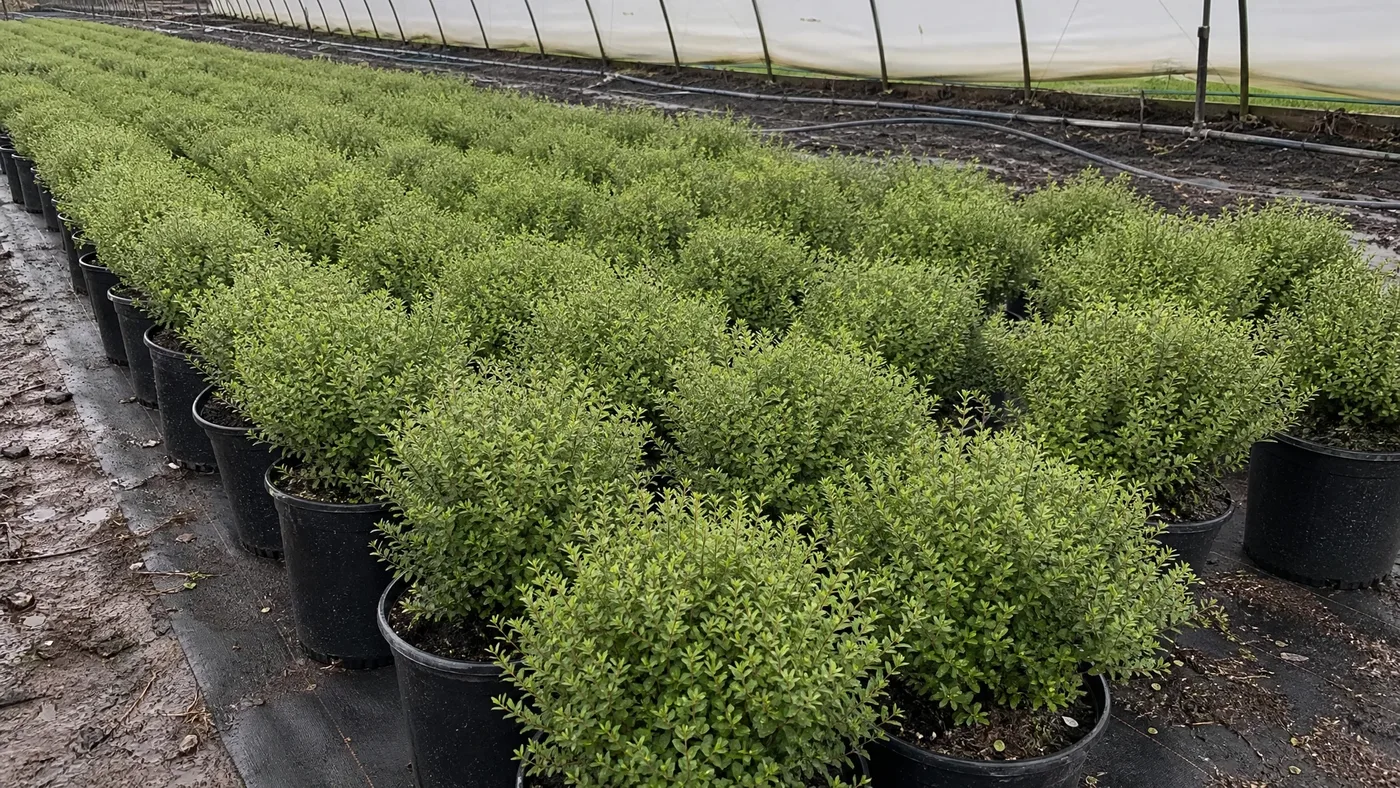
Can You Grow Soft Touch Japanese Holly From Seed?
Run your open hand across a Soft Touch Japanese holly and the whole shrub springs back under your palm. The leaves are small, glossy and packed so tightly that the mound feels more like a cushion than a plant, and it is hard to walk past without touching it again. A minute later almost everyone has the same thought: a dozen more of these would be wonderful.
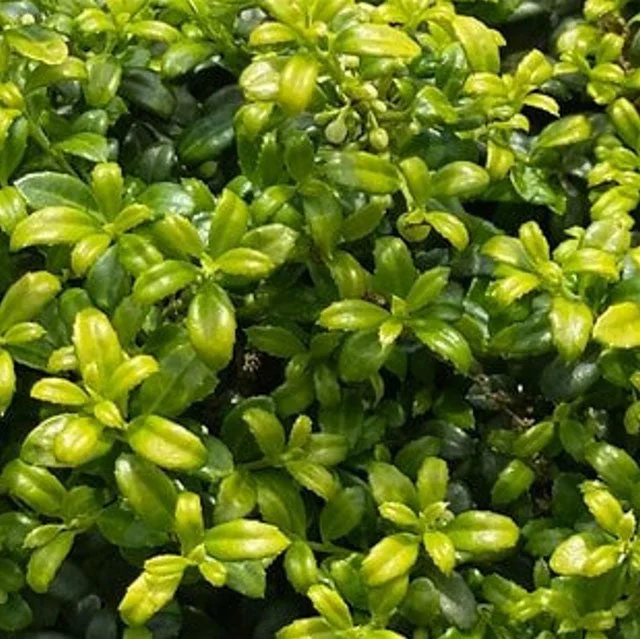
The black berries that appear on some hollies make the next step seem obvious, because a berry holds seed and seed looks like free plants. This article talks about whether seed is a realistic route for Soft Touch and answers the questions customers ask us most. Read on to learn whether berries are even available, how long seedlings take, why they rarely resemble the parent, and which season and setup suit cuttings.
Why You Want More Soft Touch Japanese Holly
Start with what you are actually after, because the method follows from it. Soft Touch is a dense, mounded evergreen that reaches only 2 to 3 feet tall and 2 to 3 feet wide, and that tidy size is the reason people line walks with it, tuck it under windows and use it in place of boxwood. The species it comes from is a much larger shrub, running 5 to 10 feet tall and 5 to 8 feet wide.
That gap matters for this guide. When you say you want more Soft Touch, you almost never mean more Japanese holly in general. You mean more of this exact small, springy mound, with the same fine-textured leaves and the same even outline, so that new plants look as if they went in the ground the same day as the old one.
Matching is the whole value of the plant in a group. A hedge or edging row only looks sharp when every shrub fills out at the same pace to the same height. One plant that stretches, thins or turns coarse breaks the line, and you notice it from the street.
So set your test before you choose a method. A successful new plant stays within that 2 to 3 foot range, keeps the soft foliage and packs into a mound without constant shearing. We measure every route in the sections ahead against that test, and the choice made here is that you want copies, not simply new hollies.
Should You Save Berries From Soft Touch Japanese Holly?
Berries are the first fork in the road, and the honest answer starts with whether you will see any. Many gardeners grow Soft Touch for years without noticing a single berry, and we tell customers not to count on them. If your plant never fruits, the seed question is settled before it starts.
Whether Your Shrub Can Set Fruit
Japanese holly is dioecious, meaning male and female flowers are on separate plants, and a male must be present for the female to be pollinated and fruit. The fruit is a black, berrylike drupe that forms only on pollinated females. The spring flowers are small, dull greenish-white and easy to miss.
A berry in fall therefore depends on a female plant and a male somewhere within pollinating range. One of the most common questions we get is whether the black berries on a neighbor's holly mean free Soft Touch plants. They do not. A berry on a nearby shrub tells you nothing about the cultivar you want, and a berry on your own plant carries pollen from whichever male happened to be close by.
What Collecting Seed Really Involves
If you do find berries, you are signing up for a project. You would pick them ripe, clean the pulp from the seed, sow it and then wait on a germination schedule that holly does not hurry. Keep fruit away from small children and pets while it hangs on the shrub, and read our guide on whether Soft Touch is toxic to pets or kids before you let berries pile up.
Our advice is to collect berries only if you are curious and want a side experiment. Do not make seed your plan for a hedge. Seed exists only on some plants in some years, and as the next sections show, the effort buys you uncertainty rather than copies.
Are You Ready to Wait Years for Seedlings?
Time is the second decision, and holly asks for a lot of it. Seed from this family is slow to wake up and does not sprout on a neat schedule. Some seeds come up after a long wait and some never do, so you cannot judge a batch by the first week or even the first season.
Germination Is the Slow First Stage
Plan on tending flats or pots through at least a full cycle of seasons before you decide a batch has failed. That means watering seed that shows nothing, protecting it through winter and resisting the urge to dig it up and check. Keep the medium damp but never soggy, because Japanese hollies are prone to root problems when they stay wet, and tiny seedlings have the least tolerance.
Growth After Sprouting
Once a seedling is up, it starts as a thread of a plant with a handful of leaves. The species grows slowly according to UF/IFAS, while NC State rates Soft Touch itself as moderate, and a seedling gives you no way to know which pace it inherited. You may spend years nursing a plant that is still too small to judge.
In our rows, a cutting reaches a respectable pot in a fraction of the time a seedling needs just to reach a shape you can evaluate. That gap is the practical cost of seed: years of waiting, and then a find-out, if you are lucky, of whether the plant resembles the parent at all.
The decision here is simple. If you enjoy long projects and have no deadline, seed is an interesting hobby. If you want a hedge or an edging row that fills in on a normal timeline, seed is the wrong tool.
Why Seedlings Rarely Look Like Their Parent
Even a patient grower should know what waits at the end. Soft Touch is a patented clonal selection, which means every plant sold under the name began as a piece of the original and shares its genes. A seedling is different: it is a new individual built from two parents, the female that set the fruit and the unknown male that supplied pollen.
Where the Drift Comes From
That shuffle rarely reproduces the compact habit. Japanese hollies in general run 3 to 10 feet high with a similar spread, and a seedling can drift toward that larger, looser range. The soft foliage can give way to coarser leaves, and the dense mound can open into a rangy form that needs constant shearing to behave.
You may hear that plants grown from berries are the same plant, only slower. That is wrong for a clone. Seedlings carry traits from the pollen parent, and the dwarf mounded form you love is not something you can count on passing through seed.
What Each Route Hands You
The table below sets the two routes against the 2 to 3 foot mound you chose as your test.
| Trait | Rooted cutting | Seedling |
|---|---|---|
| Mature size | 2 to 3 feet tall and wide, like the parent | Unpredictable, can head toward the species' larger size |
| Foliage texture | Soft, small, glossy leaves | May be coarser or differently spaced |
| Parentage | One plant, identical genes | Two parents, one of them unknown |
| Matches a row | Yes | Rarely |
Our position is firm on this. Treat seed-grown plants as new, unnamed hollies, interesting perhaps, but not Soft Touch, and do not plant them where you need a match.
Taking Cuttings of Soft Touch Japanese Holly Instead
Cuttings are the standard method for exactly this reason. Asexual propagation permits cloning, so the new plants are genetically identical to the parent. A rooted cutting is simply more of the plant you already admire, growing on its own roots.
What a Good Cutting Feels Like
Walk the shrub and look for a healthy tip with fresh, glossy leaves on a stem that has begun to firm. Bend it gently. A stem that snaps crisply is too soft, and one that is woody all the way down is slow to root.
What you want sits between the two: a green stem with a little spring and some resistance. Soft Touch has that springy quality even in its stems, so you will know the right one by touch.
Take cuttings from the outer growth and the parent will barely show it, because the dense habit fills gaps quickly and what you remove is about the same as a light trim. Strip the lower leaves, keep a few on top, and the cutting is ready for the tray.
A Word on the Patent
Soft Touch is a patented selection, and that is why it is only ever multiplied by cloning. Rooting a few for your own garden is the whole point of this guide. If you plan to pass rooted plants beyond your own yard, check the patent terms first, because protected plants carry their own rules.
The decision: cuttings become your method, and seed stays a curiosity. The next section turns that into timing and a setup.
Choosing Your Cutting Season and Rooting Setup
Timing and setup decide whether a tray fills with roots or with rot. We cannot give you exact dates for your yard, because they shift with climate, and Soft Touch is listed for zones 5a through 9b. Check with your local extension service for the window in your area, and use the plant itself as your guide: take cuttings when this year's growth has firmed up from soft spring tissue but has not yet hardened off.
Set Up the Tray
Use clean containers and a loose, gritty, well-drained rooting medium, because Japanese hollies are susceptible to root rot and a heavy, soggy mix invites it. The steps below are the ones we point customers to.
- Fill clean pots or a tray with a free-draining medium and wet it thoroughly, then let it drain.
- Cut firm tips from healthy shoots, strip the lower leaves and dip the base in rooting hormone if you use it.
- Insert each cutting so the bare stem is buried and the leaves sit just above the medium without touching their neighbors.
- Cover the tray to hold humidity, and set it in bright light out of direct midday sun.
- Vent the cover regularly, keep the medium damp but not wet, and remove any cutting that blackens before rot spreads.
Reading the Tray
Leaves that stay glossy and firm mean the cutting is alive. After a good while, give one a light tug and feel for resistance, which signals roots. Yellowing, drooping or a mushy stem base points to too much water or too little air, so open the cover and let the medium dry slightly.
Once a cutting holds firm, move it into its own pot and grow it on. Our guide to growing Soft Touch in containers covers that stage, and the care guide takes over from there.
Your concrete plan: pick your window with your extension service, prepare a clean tray ahead of time, take more cuttings than you need and expect to lose a few. Done once, it becomes a routine you will repeat every year.
Your Own Soft Touch Japanese Holly, True to Type
Seed is possible, but it is slow, depends on berries your plant may never set, and returns shrubs that rarely keep the compact, soft mound. Cuttings take the same plant and make more of it, each one the same 2 to 3 foot cushion of small glossy leaves as its parent. Picture a tray of rooted cuttings on your bench, every one glossy and firm, each destined to grow into the same soft, tidy mound you first ran your hand across.
Soft Touch Japanese Holly
Nursery-grown Soft Touch Japanese Holly in sizes from 1 Gallon Shrub, shipped to your door.
From $80.55
Shop Now →Our growers watch our Soft Touch rows through the year, in full sun and acid soil, checking leaf color and new growth, the same signs to read on your own cuttings. We grow and sell top-quality shrubs from our own farms, so if you want a first plant to take cuttings from, start with one of ours.