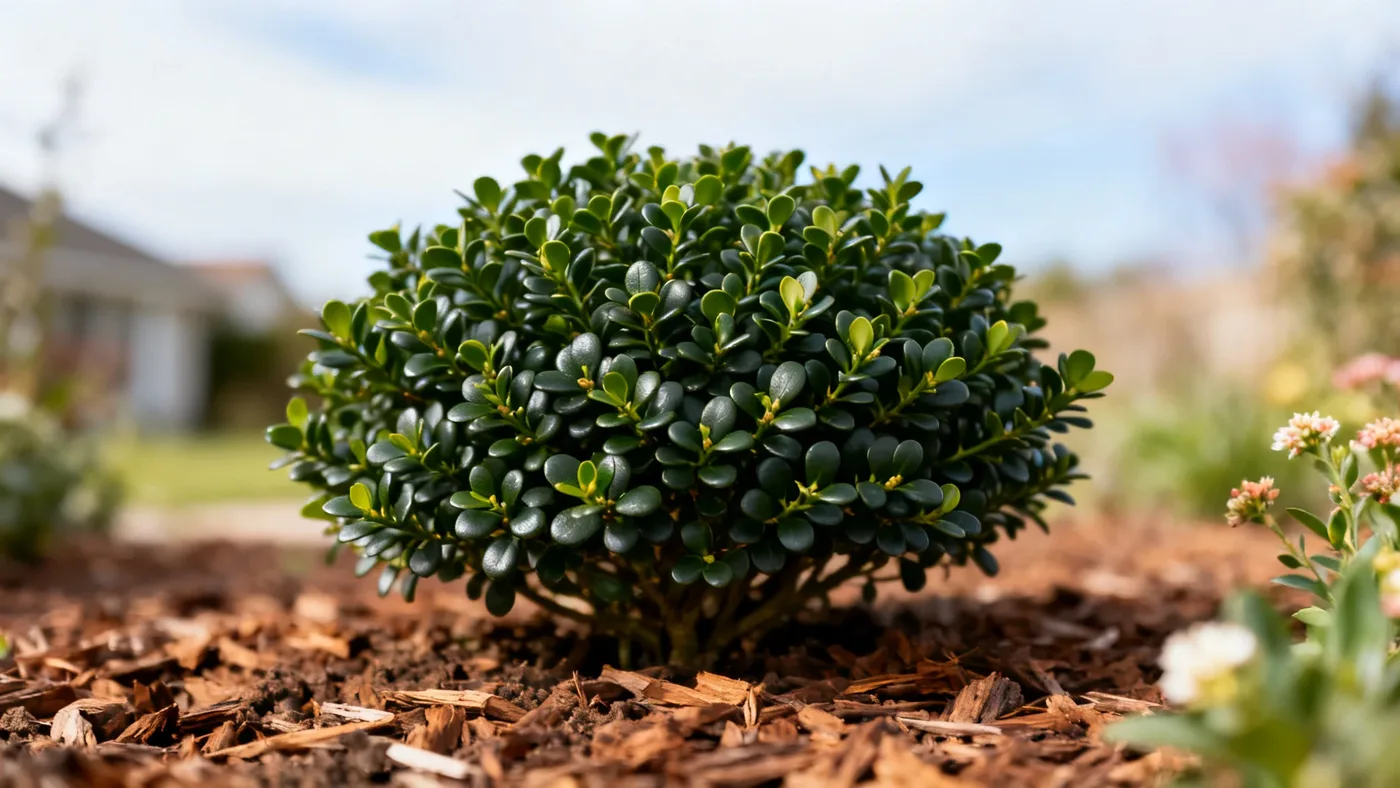
Soft Touch Japanese Holly Care Guide: Everything You Need to Know
Key Takeaways
- Soft Touch Japanese Holly (Ilex crenata 'Soft Touch') grows 2 to 3 feet tall and 3 to 4 feet wide, making it perfect for hedges and foundation plantings.
- Plant in USDA zones 5 to 8 with consistent moisture and well-drained, acidic soil (pH 5.0 to 6.5).
- The slow growth rate of 3 to 6 inches per year means less pruning than many shrubs, and the soft foliage eliminates the spiny leaves of traditional hollies.
- Water regularly during the first 1 to 2 years after planting; established plants still need supplemental water during dry spells.
- Light annual feeding in early spring keeps foliage dense and lush.
Table of Contents
- What Is Soft Touch Japanese Holly?
- Where and When to Plant
- Soil and Water Requirements
- Sunlight Needs
- Pruning and Maintenance
- Feeding and Seasonal Care
- Common Problems and Solutions
- Quick Reference Chart
What Is Soft Touch Japanese Holly?
Soft Touch Japanese Holly, botanically known as Ilex crenata 'Soft Touch', is an evergreen shrub that brings year-round structure and refined texture to gardens. Unlike traditional hollies with sharp, spiny leaves, Soft Touch features soft, fine-textured dark green foliage that rounds out naturally without aggressive pruning. The plant is native to Japan, Korea, and eastern China, though 'Soft Touch' is a cultivated selection bred specifically for landscaping.
This cultivar matures to 2 to 3 feet tall and 3 to 4 feet wide, creating a naturally mounded form. It grows slowly at a rate of roughly 3 to 6 inches per year, which means you'll spend far less time with pruning shears than you might expect. The foliage stays green all year, providing color even in the harshest winters.
Soft Touch belongs to the Aquifoliaceae family and works beautifully as a low hedge, foundation planting, mass planting, border edging, or container specimen. Many gardeners use it as a boxwood substitute, and it pairs naturally with hostas, azaleas, hydrangeas, and ferns.
Where and When to Plant
Hardiness Zones
Soft Touch Japanese Holly grows reliably in USDA zones 5 to 8. Performance in zone 8 can vary depending on heat and humidity, so gardeners at the warm end of the range should pay extra attention to afternoon shade and consistent moisture. If you're in zone 4 or colder, this cultivar will not survive winters outdoors.
Planting Timing
Plant Soft Touch in spring or fall, avoiding the peak heat of summer and the hardest freezes of winter. Spring planting gives roots the warmest months to establish before winter, while fall planting allows roots to develop slowly before dormancy. Either way, the goal is the same: get the plant settled before extreme temperatures arrive.
Spacing and Layout
Space plants 2.5 to 3 feet apart when creating a low hedge or massed planting. This spacing accommodates mature width while keeping stems in close enough proximity for a filled-in look. Closer spacing is not necessary and can invite disease by trapping moisture. For a single specimen, allow the full 3 to 4 feet of width.
Soil and Water Requirements
Soil Composition
Soft Touch thrives in moist, well-drained, humus-rich soil. This means the soil should hold moisture without staying soggy. Work compost or peat moss into the planting hole to improve structure and water retention. The plant tolerates clay soil reasonably well, provided drainage is adequate. Standing water for more than a few hours will rot roots.
Soil pH
This plant prefers acidic to slightly acidic soil, ideally between pH 5.0 and 6.5. In alkaline or neutral soils (above pH 7.0), Soft Touch often develops chlorosis, a yellowing of leaves caused by iron deficiency. If your soil is naturally alkaline, test it before planting. You can amend the planting area with sulfur or use an acid-forming fertilizer to gradually lower pH, though this takes time and ongoing effort.
Watering After Planting
The first 1 to 2 years are critical for establishing a strong root system. Water regularly during this establishment period, keeping soil consistently moist but never waterlogged. A 2 to 3-inch layer of mulch over the root zone helps retain moisture and keeps soil cool. Do not use mulch that piles against the stem, as this traps moisture and invites rot. Instead, keep mulch a few inches away from the plant base.
Watering Established Plants
Once established, Soft Touch is not drought tolerant compared to truly tough shrubs like junipers. The plant still needs supplemental water during dry spells, especially if summer temperatures rise above normal or rainfall drops below 1 inch per week. In container plantings, watering needs increase significantly. Check soil moisture regularly and water deeply when the top inch feels dry.
Sunlight Needs
Soft Touch grows in full sun to part shade. In cooler climates (zones 5 to 6), full sun (6 or more hours daily) promotes dense foliage and compact growth. In hot climates (zone 8), afternoon shade actually improves foliage density and helps prevent leaf burn on extremely hot days. Part shade in zone 7 and warmer regions also reduces water stress during summer.
The plant will grow in denser shade, but foliage becomes thin and open. If your site receives only 3 to 4 hours of direct sun, expect slower growth and a more sparse appearance. Reflected heat from south-facing walls or pavement in zones 7 and 8 may require extra afternoon shade and consistent moisture.
Pruning and Maintenance
Natural Growth Habit
One of the best things about Soft Touch is its naturally mounding form. Unlike shrubs that sprawl or shoot upward unevenly, this cultivar creates a neat, rounded shape on its own. This means you can often skip pruning entirely if the plant has room to expand. If you do want to shape it, pruning is minimal.
When and How to Prune
Light shearing in late winter or early spring (before new growth begins) tidies the plant and encourages branching. Alternatively, prune after the main flush of new growth in early summer. Never remove more than one-third of the plant's growth in a single year, as this stresses the shrub and can open it to disease.
Use hand pruners for selective cuts, or electric shears for light shaping on a hedge. Make cuts just above a leaf node at a 45-degree angle to shed water. Avoid cutting into old wood that has lost its foliage, as Soft Touch is slow to recover from hard pruning.
Deer Resistance
Soft Touch is relatively deer-resistant compared to many broadleaf evergreens, making it a good choice if deer pressure is a concern in your landscape. This does not guarantee that deer will never browse it, especially during harsh winters when forage is scarce, but it is less attractive to them than many alternatives.
Feeding and Seasonal Care
Fertilizing
Provide light annual feeding in early spring with an acid-forming, slow-release shrub or holly fertilizer. A light hand is better than heavy feeding. Over-fertilizing pushes soft, tender growth that is more prone to pest damage and winter burn. One light application in March or April is usually sufficient for healthy growth.
If your soil test shows that pH is already below 5.0, you may not need an acid-forming fertilizer. A balanced, slow-release product works fine. If leaves are pale or yellowing (chlorosis) despite adequate moisture, apply an iron supplement or chelated iron following product directions.
Winter Care
Soft Touch retains its foliage year-round and generally does not need winter protection in zones 5 to 7. In zone 8 or in exposed northerly sites where wind is severe, winter leaf burn can occur on the windward side of the plant. This appears as browning or bleaching of foliage by late winter. Planting on the leeward side of a structure or windbreak reduces this problem. Severe winter burn does not kill the plant, but new foliage may not emerge until late spring.
Container Care
Soft Touch works well in containers, particularly in quart, #1, or #3 container sizes when nursery-grown. Containers dry out faster than in-ground plantings, so check moisture frequently during the growing season. In zones 5 and 6, move containers to a sheltered location or sink the pot into the ground for winter to protect roots from freezing. Uninsulated pots in extreme cold can kill roots even if the above-ground growth survives.
Common Problems and Solutions
Chlorosis (Yellow Foliage)
Problem: Leaves turn pale or yellow while veins stay green, especially in new growth.
Cause: Alkaline soil (pH above 6.5) locks up iron, making it unavailable to the plant.
Solution: Apply chelated iron according to product directions. For long-term improvement, lower soil pH by working in compost and using an acid-forming fertilizer for several seasons. Test soil before planting to catch this before it happens.
Winter Leaf Burn
Problem: Brown or bleached foliage on the windward side of the plant, usually worse on south or west-facing exposures.
Cause: Drying winds and intense winter sun desiccate foliage faster than roots can replace moisture in frozen soil.
Solution: Plant on the leeward side of a building or windbreak. Ensure soil moisture is adequate in fall before winter arrives. After severe burn, new foliage usually emerges in late spring, and the damaged leaves will drop.
Root Rot
Problem: Plant wilts, foliage dulls, and stems become soft or black at the base despite adequate moisture.
Cause: Poor drainage or overwatering, especially in heavy clay or compacted soil. The fungal disease Thielaviopsis (black root rot) may be involved.
Solution: Stop watering and allow soil to dry out. If the plant is in a pot, repot in fresh, well-draining soil. For in-ground plants, amend the surrounding soil with coarse sand or compost to improve drainage. Severe root rot cannot be reversed, but preventing it through good drainage is simple.
Scale Insects, Spider Mites, and Leaf Miners
Problem: Sticky residue on foliage (scale), fine webbing between stems (spider mites), or winding tunnels in leaves (leaf miners).
Cause: These are common pests of fine-foliaged evergreens, especially in stressed plants.
Solution: Prune out heavily infested branches. Spray insecticidal soap or horticultural oil on scale and spider mites, covering undersides of leaves. Leaf miners are harder to control once established; remove affected leaves and dispose of them in the trash (not compost) to break the lifecycle. Stressed, over-fertilized plants are more susceptible, so maintain consistent watering and avoid excess fertilizer.
Leaf Spot Diseases
Problem: Brown or black spots with yellow halos on leaves, sometimes with a concentric pattern.
Cause: Fungal spores spread by water splash in wet conditions.
Solution: Improve air circulation by pruning lightly to open the canopy. Water at soil level early in the day so foliage dries quickly. Remove and discard severely spotted leaves. In most cases, leaf spot is cosmetic and not life-threatening, especially once weather becomes drier.
Quick Reference Chart
| Care Factor | Details |
|---|---|
| USDA Zones | 5 to 8 (zone 8 varies with siting) |
| Mature Size | 2 to 3 ft tall, 3 to 4 ft wide |
| Growth Rate | Slow (3 to 6 inches per year) |
| Sunlight | Full sun to part shade (afternoon shade in zone 8) |
| Soil Type | Moist, well-drained, humus-rich |
| Soil pH | 5.0 to 6.5 (acidic to slightly acidic) |
| Watering | Consistent moisture, especially first 1 to 2 years |
| Drought Tolerance | Low to moderate; needs supplemental water during dry spells |
| Spacing | 2.5 to 3 ft apart for hedges and mass plantings |
| Pruning | Light shearing in late winter or early summer; minimal needed |
| Fertilizing | Light annual feeding in early spring with acid-forming shrub fertilizer |
| Bloom Time | Late spring (May to June); flowers inconspicuous |
| Time to Maturity | 3 to 5 years |
| Lifespan | Long-lived (20+ years with proper care) |
| Deer Resistance | Good (relatively resistant) |
| Toxicity | Berries mildly toxic if ingested; foliage non-spiny |
Planting and Care Checklist
- Test soil pH before planting; aim for 5.0 to 6.5
- Amend planting hole with compost or peat moss
- Space plants 2.5 to 3 feet apart
- Water regularly for the first 1 to 2 years
- Apply 2 to 3 inches of mulch, keeping it away from the stem base
- Provide full sun in zones 5 to 6; afternoon shade in zone 8
- Apply light fertilizer in early spring
- Prune lightly in late winter or early summer if needed
- Monitor for scale, spider mites, and leaf miners in stressed plants
- Ensure good drainage to prevent root rot
- Move containers to shelter in zones 5 and 6 for winter