Soft Touch Japanese Holly
Ilex crenata 'Soft Touch'
Soft Touch Japanese Holly Evergreen, Nursery-Grown Shrub
- Dense evergreen foliage provides structure and color year-round in part shade to full sun
- Compact, slow growth (3-6 inches per year) means minimal pruning and long-term landscape stability
- Deer-resistant and works well in containers, hedges, or foundation plantings
About this plant
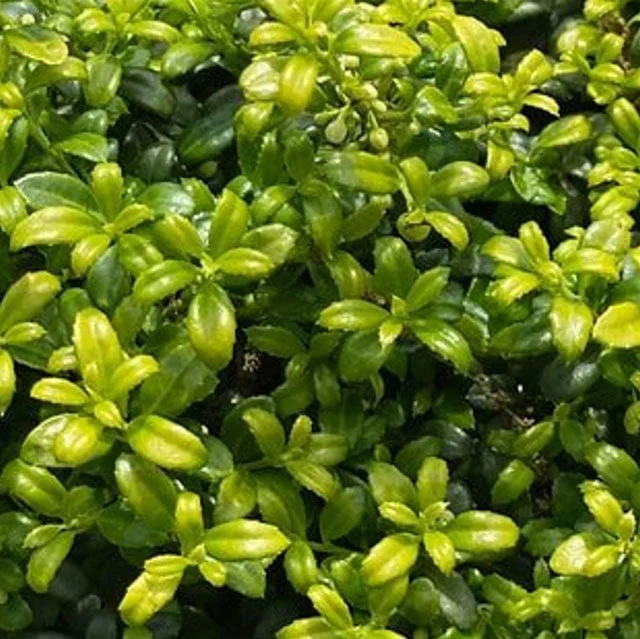
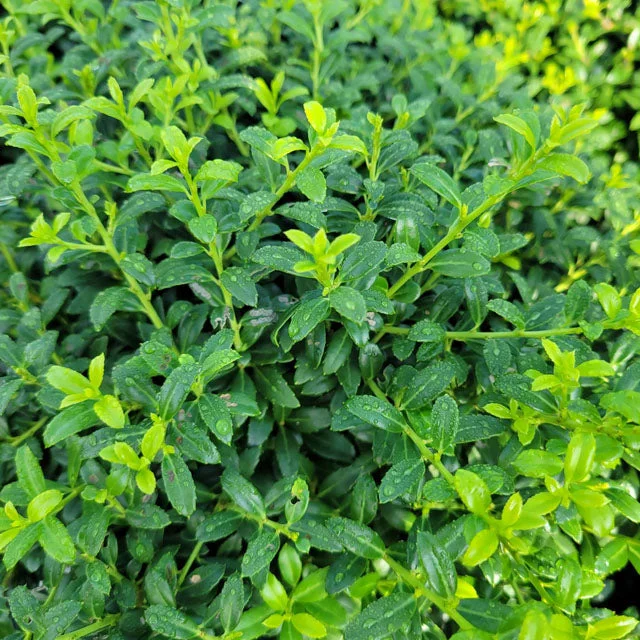
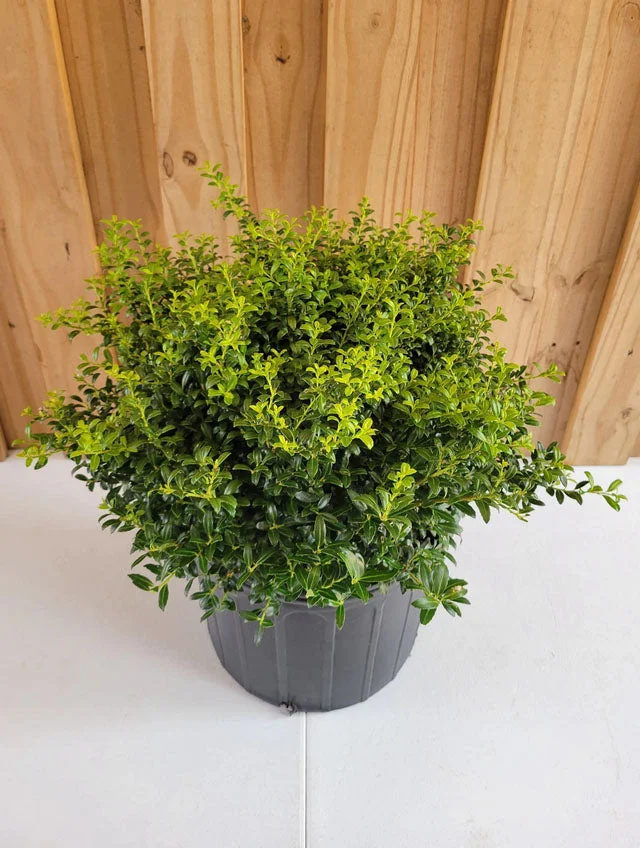
Soft Touch Japanese Holly is a compact, slow-growing evergreen shrub with fine-textured foliage that maintains rich green color year-round. Its dense, mounded form makes it ideal for low hedging, foundation planting, or mass plantings in gardens needing a broadleaf evergreen that performs well in part shade and tolerates deer browsing better than many alternatives.
You receive a nursery-grown shrub in a container, ready to plant into your garden or landscape. Plant immediately or within a few days of arrival in moist, well-drained soil. Water thoroughly to settle the soil, then maintain consistent moisture through the first growing season. In colder zones, plant in spring or early autumn to allow root establishment before winter.
Soft Touch Japanese Holly at a glance
| Botanical name | Ilex crenata 'Soft Touch' |
|---|---|
| Plant type | evergreen shrub |
| USDA zones | 5-8 (some sources say 5-7; performance in zone 8 varies with heat/humidity) |
| Mature height | 2-3 ft |
| Mature width | 3-4 ft |
| Sun | full sun to part shade; best foliage density in part shade in hot climates |
| Water | average, consistent moisture; not drought tolerant once established compared to true drought-tough shrubs |
| Bloom time | late spring (May-June), flowers are inconspicuous |
| Bloom color | greenish-white, not showy |
| Growth rate | slow, roughly 3-6 inches per year |
| Deer resistance | good (relatively deer-resistant compared to many broadleaf evergreens) |
| Best planting time | spring or fall, avoiding peak summer heat and hard winter freezes |
Container sizes explained
| #1 / 1 Gallon | A trade one gallon pot (about 6.5 inches). One to two seasons older than a quart, with an established root system. |
|---|---|
| #2 / 2 Gallon | A trade two gallon pot. Common for peonies and perennials that need root room; usually blooms the first or second year. |
| #3 / 3 Gallon | A trade three gallon pot (about 10 inches). A well-developed shrub or small tree, often 2 to 4 feet tall on arrival. |
Questions before you buy
How do I choose between the 1-gallon and 3-gallon sizes?
The 1-gallon shrub is a younger plant that will reach mature size in 3-5 years with proper care; choose this for budget-conscious gardeners or mass plantings. The 3-gallon offers fuller foliage at planting and faster visual impact, ideal if you want an established-looking hedge or grouping right away.
When should I plant after arrival?
Plant immediately upon arrival or within a few days. Unpack the shrub and set it in a shaded spot with consistent moisture until you are ready to plant. The sooner you transition it into the ground and establish a watering routine, the better it will settle into your landscape.
How large does Soft Touch Japanese Holly get?
Mature plants reach approximately 2-3 feet tall and 3-4 feet wide. Growth is slow (roughly 3-6 inches per year), so it will take 3-5 years to reach full mature size depending on local conditions and care.
What sun does this plant need?
Soft Touch Japanese Holly thrives in full sun to part shade. In hot climates, part shade produces the densest, most attractive foliage. In cooler regions, full sun is acceptable and encourages compact growth.
Which USDA zones is this plant hardy in?
This cultivar is reliably hardy in zones 5-7 and can grow in zone 8 depending on local heat and humidity levels. In zones 5-6, plant in spring or early autumn to establish strong roots before winter freeze.
What does the plant need in its first year?
Maintain consistent moisture in well-drained soil throughout the first growing season; this shrub is not drought-tolerant when young. Avoid heavy pruning; light shaping in spring or early summer is acceptable once the plant is established. In zone 5, provide winter protection if the site is exposed to harsh wind.