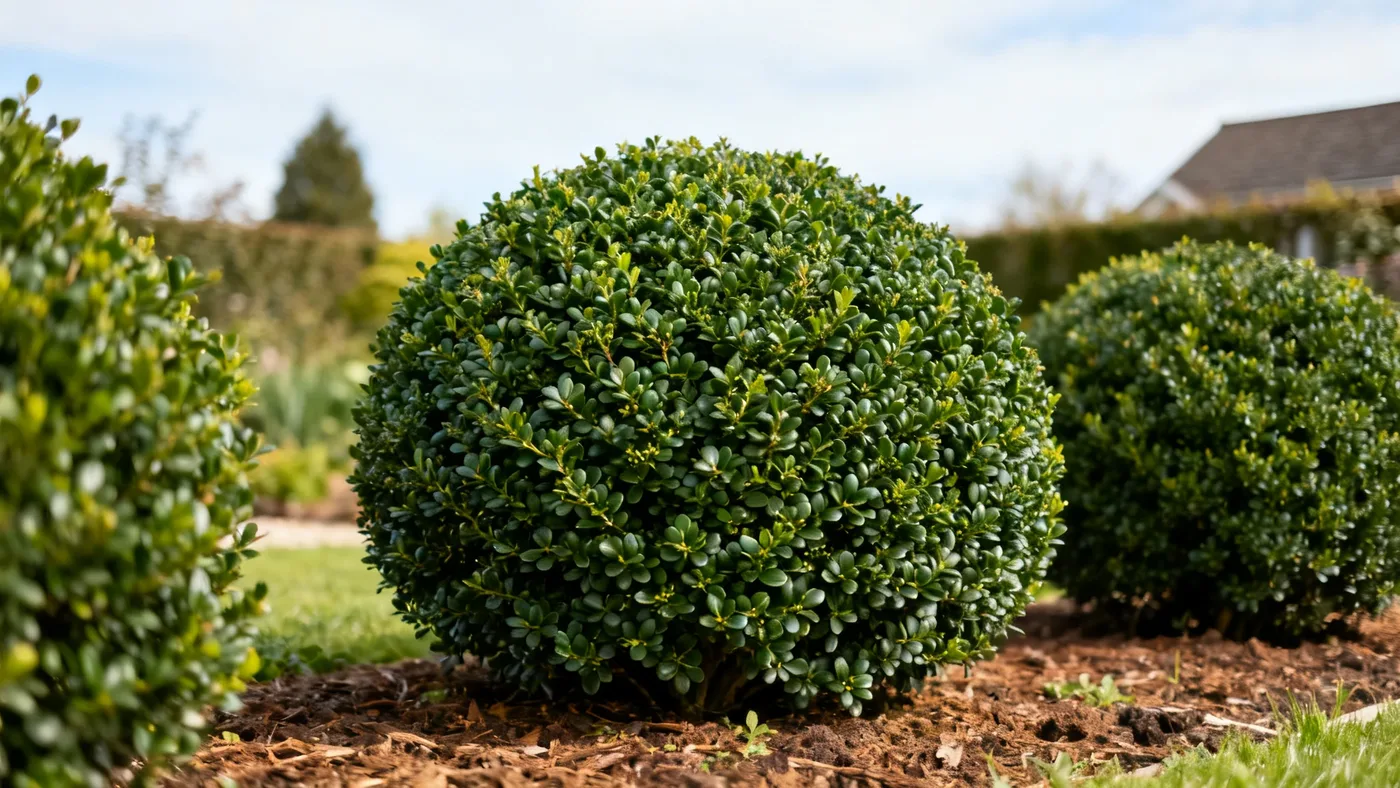
Is Soft Touch Japanese Holly Toxic to Pets or Kids?
Soft Touch Japanese Holly is generally safe for homes with pets and children. The berries (when present) are mildly toxic and can cause gastrointestinal upset if ingested, but most cultivars sold to home gardeners rarely produce visible berries. The foliage is completely non-toxic and soft to the touch, posing no physical or chemical hazard.
General Toxicity Overview
Is Soft Touch Japanese Holly toxic?
Soft Touch Holly presents a very low toxicity risk overall. The berries are mildly toxic and may cause mild gastrointestinal upset if ingested; the foliage is completely safe. Since most cultivars sold produce few or no berries, the practical risk for typical households is negligible.
How does Soft Touch Holly compare to other holly varieties in terms of safety?
Soft Touch Holly is safer than traditional hollies like American Holly and English Holly in two key ways: its leaves are soft and rounded, not sharp and spiny, and it rarely produces the showy berries that attract pets and children. True hollies have dangerous razor-sharp foliage and prominent red berries, making them a considerably higher concern for households with curious pets or young children.
Which parts of Soft Touch Holly are actually toxic?
Only the berries carry any toxicity risk; they are mildly toxic and can cause digestive upset. The foliage, stems, wood, and roots are all non-toxic and completely safe to handle, brush against, or be around.
Berry Toxicity: Your Main Concern
Are Soft Touch Holly berries poisonous to pets and people?
The berries are mildly toxic and can cause gastrointestinal upset if ingested. "Mildly toxic" means they are not life-threatening in small quantities, but may result in nausea, vomiting, or diarrhea lasting a few hours. The good news: most Soft Touch cultivars sold to home gardeners rarely produce visible berries at all.
Will my Soft Touch Holly plant actually produce berries?
Soft Touch Holly rarely sets visible berries on the cultivars typically sold to home gardeners and landscapers. Most are either functionally non-fruiting or of unspecified sex, producing little to no fruit even at maturity. If berry toxicity concerns you, this rarity makes the real-world risk extremely low.
What should I do if my dog eats Soft Touch Holly berries?
Monitor your dog for signs of gastrointestinal upset (vomiting, diarrhea, loss of appetite) over the next few hours. Mild cases usually resolve on their own within hours with no treatment beyond rest and fresh water. Contact your veterinarian if symptoms persist longer than a few hours or if your dog has eaten a large quantity.
What should I do if my cat eats Soft Touch Holly berries?
Watch your cat for nausea, vomiting, or diarrhea over the next 1-2 hours. Cats are generally less likely than dogs to chew on shrub foliage, so this risk is relatively low. Seek veterinary advice if symptoms last more than a few hours or if your cat appears unusually ill.
What happens if a child swallows Soft Touch Holly berries?
Mild gastrointestinal upset is the most likely outcome, including nausea, stomach ache, or loose stool. One or two berries are unlikely to cause serious harm, though symptoms may develop within 1-2 hours. Contact Poison Control if symptoms persist or if your child has eaten a large quantity.
Foliage Safety: The Non-Spiny Advantage
Are the leaves of Soft Touch Holly toxic?
No, the foliage is completely non-toxic. Unlike the berries, the leaves pose no chemical hazard if brushed against, handled during pruning, or accidentally ingested in small amounts.
Can Soft Touch Holly leaves cause cuts or scratches like true hollies?
No. The leaves are notably soft and rounded, not spiny or sharp like those of American Holly or English Holly. You can handle the plant bare-handed, prune it freely, and let children and pets play near it without risk of injury from sharp leaves.
Why is Soft Touch Holly called "soft touch" and why does that matter for safety?
The common name refers to the plant's soft, non-spiny leaves, which is a major safety advantage over traditional hollies with razor-sharp foliage. Combined with its rare berry production, Soft Touch provides the evergreen beauty of a holly without the two hazards that make true hollies concerning in homes with pets and children.
Dogs and Cats: Pet-Specific Safety
Is Soft Touch Holly toxic to dogs?
The berries are mildly toxic and can cause gastrointestinal upset if eaten; the foliage is completely non-toxic to dogs. Because most cultivars sold produce few or no berries, the practical risk to dogs is very low, especially if the plant is positioned where dogs cannot easily access any fruit that might appear.
Is Soft Touch Holly toxic to cats?
Cats face the same mild berry-related risk as dogs, but the foliage is entirely safe to cats. Cats are generally less likely than dogs to chew on shrub foliage, which further reduces the risk in feline households.
Children and Toddlers: Indoor and Outdoor Guidance
Is Soft Touch Holly safe to plant around toddlers and young children?
Yes, Soft Touch Holly is reasonably safe for homes with toddlers. The foliage is non-toxic and soft with no sharp edges, and most cultivars produce few or no berries. Supervise children's access to any visible berries, teach them not to eat plants without permission, and remove berries promptly if they appear.
What should I do immediately if my child swallows a Soft Touch Holly berry?
Stay calm; one or two berries are extremely unlikely to cause serious harm. Watch for mild gastrointestinal upset over the next 1-2 hours and contact Poison Control or your pediatrician if symptoms develop. Remove visible berries or relocate the plant to prevent recurrence.
Prevention and Best Practices
How can I prevent my pets from eating any berries that might appear?
Plant the shrub where your pet does not roam unsupervised, or install low fencing around it. Prune low-hanging branches regularly and harvest any visible berries, especially during late spring through fall when berries are most likely to develop.
Should I plant Soft Touch Holly if I have pets or young children?
Yes, Soft Touch Holly is a good choice for households with pets and children because berries are rare and the foliage is non-toxic. Position it strategically so pets cannot easily access it, and supervise children's interactions with the plant during any berry-producing season if your cultivar does produce fruit.
Do I need to remove berries from my Soft Touch Holly?
Removing berries is a prudent precaution but not essential, since most cultivars produce few or none. If your plant does produce visible berries and you have young children or curious pets in the home, removing them takes just a few minutes of pruning and reduces risk to near zero.
Can I grow Soft Touch Holly in a container to keep it away from pets and children?
Yes, Soft Touch Holly is well-suited to container growing with adequate drainage and winter protection in colder zones. A container on a patio or deck keeps the plant safely out of reach of roaming pets and small children. Water regularly, as container plants dry faster than in-ground shrubs.
Quick Reference Safety Guide
| Hazard | Risk Level | What You Need to Know |
|---|---|---|
| Berries (when present) | Low | Mildly toxic; rare on cultivars sold; can cause mild gastrointestinal upset |
| Foliage | None | Non-toxic; safe to handle, brush, and be around |
| Sharp or spiny leaves | None | Leaves are soft and rounded; cannot cause cuts or scratches |
| Pets eating leaves | None | Foliage is non-toxic; pets unlikely to chew it |
| Children touching plant | None | No toxicity from contact; supervise berry access only |
| Overall safety rating | Very Low | Excellent choice for homes with pets and children if berries are monitored |
Learn More About Safe Growing
For complete planting and care guidance, including spacing (2.5-3 ft apart for hedges or mass plantings), seasonal pruning, and fertility schedules, see the Soft Touch Japanese Holly Care Guide. It covers everything you need to grow this beautiful evergreen shrub confidently in your landscape.