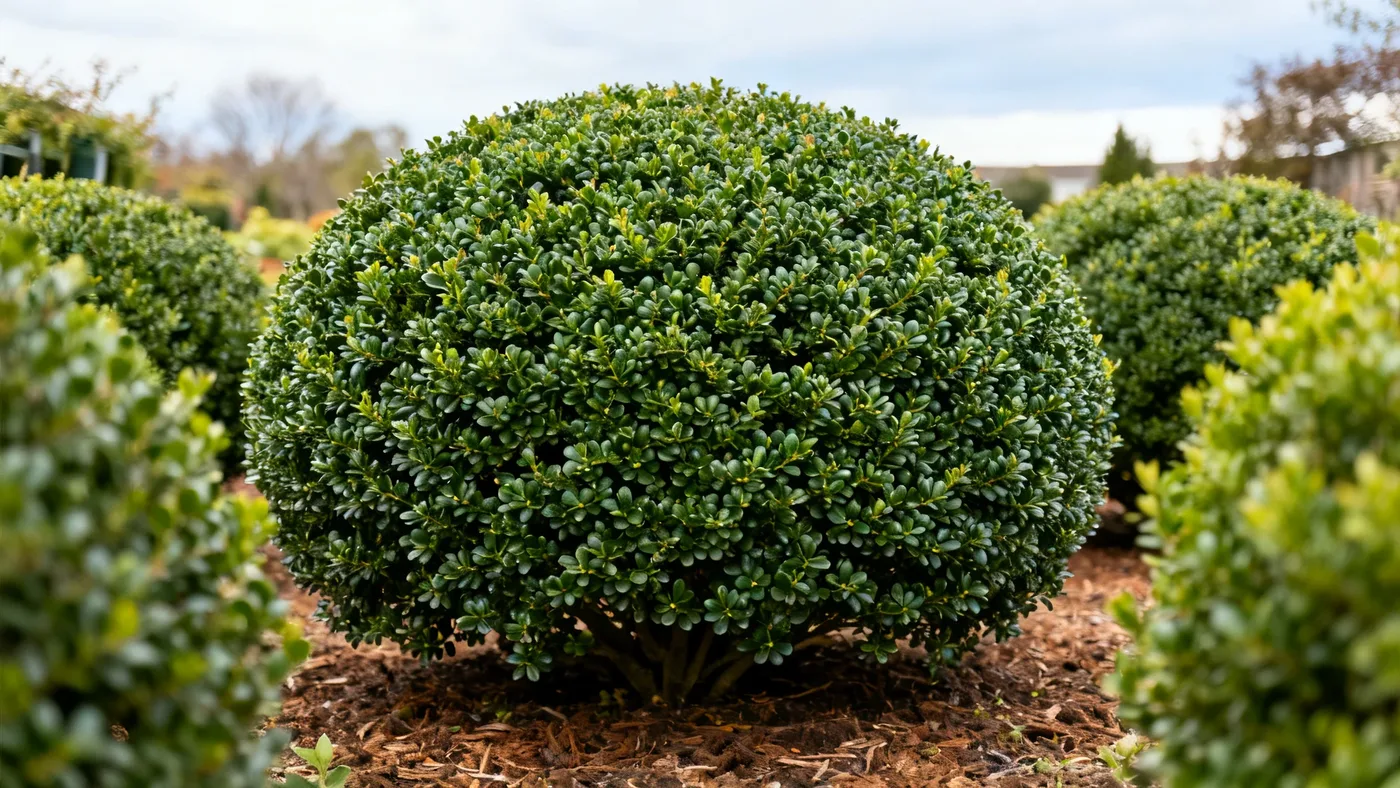
Watering Soft Touch Japanese Holly the Right Way
Watering is one of the most important things you'll do as a Soft Touch Japanese Holly owner, yet it's also where most gardeners run into trouble. Too much water and your holly's roots rot. Too little, and the foliage starts to brown. Get it right, and your shrub stays dense, dark green, and healthy for years.
Soft Touch Japanese Holly isn't a drought-tough plant like some shrubs you might be familiar with. It needs consistent moisture throughout the year, with special attention during establishment and hot months. This guide walks you through exactly when, how much, and how to water.
Why Consistent Moisture Matters for Your Holly
Soft Touch Japanese Holly thrives in moist, well-drained soil. The key word is both: moist and drained. The roots need oxygen, so waterlogged soil kills them. But dry soil stresses the plant, causing leaf burn and weak growth.
During the first 1 to 2 years after planting, your holly is building its root system. It can't yet reach deep water reserves like an established plant can. That's why newly planted hollies need the most attention. Once the shrub is mature (roughly 3 to 5 years old), it becomes somewhat more forgiving, though it still won't tolerate prolonged dry spells.
What You'll Need Before You Start
- Garden hose or watering can with a rain-like nozzle (not a harsh spray)
- Soil moisture meter or your finger as a probe
- Mulch (2 to 3 inches of wood chips or bark)
- Access to water, ideally early morning or evening
- A small shovel to check soil depth and drainage
Step-by-Step Watering Guide for Soft Touch Holly
Step 1: Check Soil Moisture Before Watering
Stick your finger into the soil about 2 inches deep, right at the drip line of the plant (where the outermost branches end). If the soil feels moist, hold off watering. If it feels dry, proceed. This is the single most reliable test, far better than watering on a fixed schedule. Soil moisture depends on recent rain, temperature, humidity, and your soil type.
Step 2: Water Deeply and Slowly
When it's time to water, aim to wet the soil 6 to 8 inches deep. Apply water slowly so it soaks in rather than running off. A hose running gently at the base for 10 to 15 minutes, or a soaker hose, works better than a quick overhead spray. For newly planted hollies in containers or small root balls, water more frequently but still deeply. For established plants, water less often but thoroughly.
Step 3: Water at the Base, Not Overhead
Wet foliage increases disease risk and wastes water. Direct the hose or watering can to the soil around the base of the plant. Avoid splashing the leaves if possible. Early morning watering is ideal because any accidental leaf wetting will dry quickly as the day warms.
Step 4: Apply Mulch to Retain Moisture
After watering, add or replenish mulch around the base to 2 to 3 inches deep. Keep mulch a few inches away from the stem to prevent rot. Mulch acts as insulation: it keeps the soil cooler in summer and warmer in winter, and it reduces evaporation so soil stays moist longer between waterings.
Step 5: Monitor After Watering
Check the soil 2 to 3 days after watering. It should still feel moist at 2 inches deep but not soggy. If you're still finding standing water, your drainage may be poor. See the section on common problems below.
How Often to Water Soft Touch Holly
Frequency depends on season, plant age, and local weather. Here's a realistic timeline:
First Growing Season (Newly Planted)
Water every 2 to 3 days if there's no rain. The first 1 to 2 years are critical. These young plants haven't established a deep root system yet, so they dry out quickly. Watch your weather. If you get a good soaking rain, skip that day's watering. But during hot spells or in sandy soil, you may need to water even more frequently.
Spring and Fall
Once established, water once a week if it hasn't rained. Cooler temperatures mean slower evaporation, so your holly doesn't dry out as fast. But don't skip watering entirely. Soft Touch Holly isn't dormant in spring or fall, and root growth continues during these seasons.
Summer
During hot months, check soil twice a week. You may need to water every 3 to 4 days or even more frequently if temperatures are very high or if you're in a sunny location. In full sun and heat above 85 degrees Fahrenheit, water stress shows up quickly as yellowing or leaf drop.
Winter
Reduce watering significantly once growth slows, but don't let soil dry out completely. In zones 5 to 7, winter rain and snow usually provide enough moisture. In zone 8, winters are mild and drier, so occasional deep watering may help. Check soil moisture during warm spells or dry periods.
Signs Your Holly Needs Water
- Foliage looks dull or lacks luster
- Leaf tips or edges turn brown or papery
- Lower leaves start to drop
- Soil pulls away from the sides of the planting hole
- The shrub wilts noticeably, especially in afternoon heat
Signs of Overwatering and Root Rot
- Foliage yellows, particularly new growth
- Leaves feel soft or mushy, not crisp
- Soil stays soggy days after watering
- A sour or musty smell from the soil
- Black or dark, soft roots when you inspect the base
- Sudden leaf drop without other obvious stress
If you suspect root rot, stop watering immediately and check drainage. Soft Touch Holly prefers moist soil, but it cannot survive standing water. If drainage is truly poor, you may need to amend the planting area or plant in a raised bed instead.
Common Watering Mistakes and How to Avoid Them
Watering on a Fixed Schedule Regardless of Weather
The biggest mistake gardeners make is watering the same day every week, no matter what. If it rained 2 inches last Tuesday, your holly doesn't need watering on Saturday. Always check soil moisture first. A rainy week might mean no supplemental watering at all.
Watering Shallowly Every Day
Frequent shallow watering encourages roots to stay near the surface, making the plant more dependent on you and more vulnerable to heat stress. Water deeply once or twice a week rather than lightly every day. This trains roots to go deeper and makes the plant more resilient.
Overwatering in Spring
New gardeners often water heavily in spring to awaken the plant. Soft Touch Holly doesn't need this. Spring rain usually provides adequate moisture. Extra watering at this point can lead to rot just when new growth is beginning.
Assuming Wilting Always Means Thirst
A wilting plant in 90-degree heat may actually be overwatered and struggling with root rot. Always check soil. If it's wet, reduce watering and improve drainage. Wilting from heat stress in dry soil will resolve once the soil is moist again.
Mulching Too Close to the Stem
Piling mulch against the stems or trunk traps moisture and promotes rot. Keep mulch 3 to 4 inches away from the base of the plant. This small gap lets air circulate and keeps the stem dry.
Special Considerations by Zone
Soft Touch Japanese Holly grows in USDA zones 5 to 8. In zone 5, winter freezes mean the ground may be frozen or very cold for months, but spring thaw and summer rains provide natural watering. In zone 8, winters are mild but often drier, so dormant-season watering may be needed during dry spells.
For more on growing your holly across different climates, see our guide on zones for Soft Touch Japanese Holly.
Container-Grown Soft Touch Holly
Container plants dry out much faster than in-ground shrubs. Check soil daily during warm months. Water when the top inch feels dry. In summer, you may water every day. Use a container with drainage holes, and never let it sit in a saucer of water. In winter, reduce frequency but don't let the soil dry completely; container soil can freeze if left too dry and cold.
Troubleshooting Watering Problems
If your holly isn't thriving despite your watering efforts, check soil drainage first. Dig a hole 12 inches deep near the shrub and fill it with water. If it drains within a few hours, drainage is adequate. If water sits for more than 12 hours, you have a serious drainage problem and may need to amend the soil with sand or peat moss, or plant in a raised bed.
For a complete care overview, including fertilizing and pruning alongside watering, visit our full care guide.
Quick Reference Watering Checklist
| Condition | Action | Frequency |
|---|---|---|
| Newly planted (first 1-2 years) | Water deeply after planting, then every 2-3 days if no rain | As needed, weather dependent |
| Established plant, spring/fall | Check soil before watering; water deeply to 6-8 inches | Once per week or after rain check |
| Established plant, summer | Check soil twice weekly; water in early morning or evening | Every 3-4 days in heat |
| Established plant, winter | Reduce watering; check soil during dry spells | Monthly or as needed |
| Container plant | Check top inch of soil daily; water when dry | Daily in summer; 2-3 times per week in cool months |
| After heavy rain | Do not water; reassess in 2-3 days | Skip scheduled watering |
| Signs of dry stress | Water immediately; increase mulch; check drainage | Correct immediately |
| Signs of wet stress | Stop watering; improve drainage or replant | Pause until soil dries |