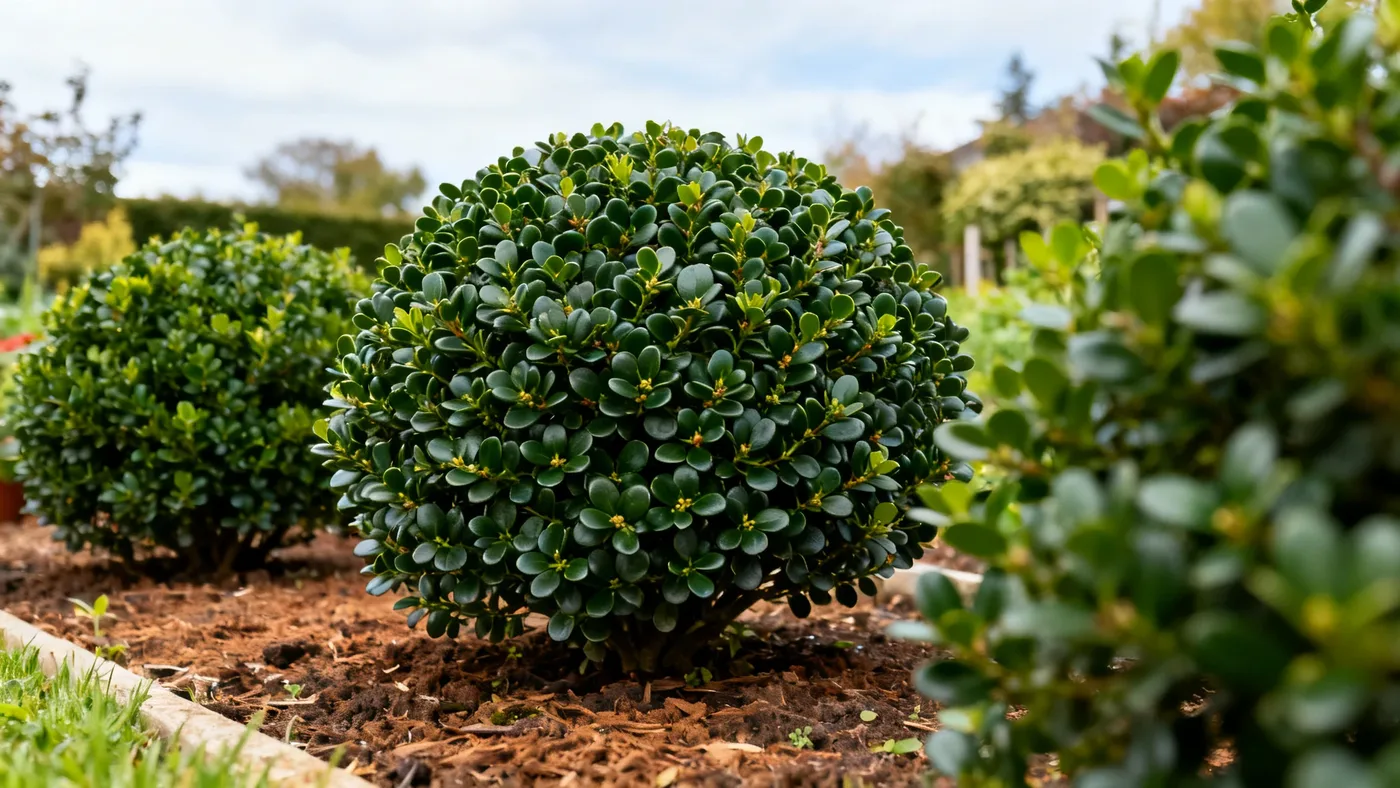
What Zones Does Soft Touch Japanese Holly Grow In?
Zone Overview and Basics
What zones does Soft Touch Japanese Holly grow in?
Soft Touch Japanese Holly thrives in USDA hardiness zones 5 through 8. Most reliable performance occurs in zones 5 to 7, where cold winters and moderate summers create ideal conditions. In zone 8, success depends heavily on siting, summer humidity, and consistent irrigation, since this cultivar prefers cooler nights and lower humidity than typical zone 8 summers provide.
Why does the hardiness zone matter for Soft Touch Holly?
Hardiness zones indicate your minimum winter temperatures, which determine whether the plant survives the dormant season. For Soft Touch Japanese Holly, the zone tells you whether killing frosts are possible, what winter protection might help, and whether supplemental summer water will be a routine need. Getting the zone right upfront prevents planting in a location where the plant will struggle or fail outright.
Is Soft Touch Japanese Holly hardy in zone 5?
Yes, Soft Touch Holly is fully hardy in zone 5. This plant was selected and bred partly for cold tolerance, making it a reliable choice for northern gardens where winter temperatures regularly drop to minus 20°F. Zone 5 gardeners can plant with confidence and expect solid survival and steady growth over many years.
Can I grow Soft Touch Holly in zone 8?
You can grow Soft Touch Holly in zone 8, but success requires careful siting and management. The limiting factor isn't cold (zone 8 winters are mild), but rather the combination of heat, humidity, and consistent water demand. Choose part shade in hotter microclimates, ensure excellent drainage, and water during dry spells to prevent stress and foliage decline.
What's the difference in growing conditions between zone 5 and zone 8?
Zone 5 demands winter hardiness but offers cool summers and lower humidity. Zone 8 sacrifices winter protection but introduces heat stress and higher summer water needs. Zone 5 gardeners focus on site drainage and occasional frost crack risk; zone 8 gardeners prioritize shade placement and frequent summer watering. Neither challenge is insurmountable, just different.
Cold Hardiness and Winter Survival
Is Soft Touch Japanese Holly cold hardy compared to other hollies?
Soft Touch Holly is quite cold hardy, surviving winter temperatures typical of zones 5 through 7 without special protection. While true spiny hollies like American Holly reach colder zones, Soft Touch Japanese Holly cultivars are bred for reliable performance in zone 5, making them well-suited to mid-Atlantic and upper Midwest gardens. Its fine foliage also doesn't collect as much ice as spiny-leaved types.
Will Soft Touch Holly survive winter frost in zone 5?
Yes, Soft Touch Holly survives winter frosts reliably in zone 5. The plant enters dormancy in fall and handles zone 5's typical winter lows (minus 20°F). Severe microclimates (wind tunnels, open hilltops, or unprotected north walls) pose more risk than simple low temperature, so shelter and good drainage matter more than the zone number itself.
What happens to the foliage in winter?
Soft Touch Holly foliage remains dark green and dense year-round. Unlike deciduous shrubs, it never goes dormant above ground. In harsh winters or exposed sites, leaf edges may scorch brown (called winter burn), but the plant itself survives and leafs back out in spring. Well-drained soil and afternoon shade in open areas reduce winter burn risk.
Do I need to protect Soft Touch Holly in zone 5 winters?
Most zone 5 plantings need no winter protection once established. Established plants (after 2 years) have deep roots and handle typical winters fine. Young plants (newly planted in late fall) may benefit from a loose burlap screen or mulch collar to buffer extreme exposure, but full maturity makes protection unnecessary for most zone 5 gardens.
What causes winter leaf burn on Soft Touch Holly?
Winter burn occurs when cold winds, low humidity, and frozen root systems combine to desiccate evergreen foliage. The plant can't pull moisture from frozen ground, yet wind and winter sun evaporate moisture from leaves. Plant in a sheltered spot with afternoon shade, ensure good soil drainage (so roots don't stay waterlogged in fall), and mulch to moderate ground temperature swings.
Will Soft Touch Holly survive an unexpected hard freeze outside my zone?
An unusually cold winter slightly outside the rated zone may cause damage but rarely kills established plants outright. Young or newly planted specimens are more vulnerable, as they have shallow roots and less stored energy. If a hard freeze occurs, wait until spring to assess: much of the plant will likely recover, though some branch tips may be lost.
Heat, Humidity, and Zone 8 Performance
Does Soft Touch Holly handle heat and humidity well?
Soft Touch Holly prefers cooler, lower-humidity conditions and is least stress-free in zones 5 to 7. In the hot, humid South (zone 8), performance depends on site and care. Part shade is non-negotiable in zone 8, and consistent moisture from spring through fall prevents heat stress, pest pressure, and foliage decline.
Is zone 8 too hot for Soft Touch Japanese Holly?
Zone 8 isn't impossible, but it requires more attention than zones 5 to 7. High heat and humidity stress the plant and invite spider mites and scale insects, especially if soil dries out. Choose a northern or eastern site with afternoon shade, amend soil with compost for water-holding capacity, and commit to summer watering during dry spells.
What's the best planting spot for Soft Touch Holly in a hot climate?
Plant on the north or east side of a building or taller tree to ensure afternoon shade. Direct sun from 2 p.m. onward stresses foliage and drives up water demand. Morning sun is beneficial for foliage density, so full shade isn't ideal either. Dappled all-day shade or morning sun with afternoon protection is the sweet spot in zone 8.
How often should I water Soft Touch Holly in zone 8?
In zone 8, water consistently during the growing season (spring through early fall) whenever the top inch of soil feels dry. During establishment (first 1 to 2 years), this may mean deep watering twice per week in summer. Once established, every 7 to 10 days usually suffices if soil has good organic matter, but extend watering if temperatures exceed 85°F for several days.
Will Soft Touch Holly get chlorosis in alkaline soil?
Yes, chlorosis (yellowing leaves with green veins) is common if soil pH rises above 6.5. Soft Touch Holly prefers acidic to slightly acidic soil, roughly 5.0 to 6.5 pH. If your zone 8 garden has naturally alkaline soil, either amend the planting hole heavily with sulfur-treated compost, or consider a different shrub. Correcting alkaline soil is costly and ongoing.
Planting Timing and Soil Preparation by Zone
When is the best time to plant Soft Touch Holly in my zone?
Spring (March through May) and fall (September through November) are ideal across all zones 5 to 8. Avoid peak summer heat (June to August), which stresses new transplants, and avoid planting after mid-November in zone 5, since the plant needs time for roots to establish before hard frost. Spring planting generally gives the longest root-development window before the next winter.
Does zone affect soil preparation?
All zones benefit from moist, well-drained, humus-rich soil with acidic pH (5.0 to 6.5). Zone 5 to 7 gardens often have naturally acidic soils, so simple compost incorporation usually suffices. Zone 8 gardeners in the Southeast often face neutral to alkaline soil and should test pH before planting and amend accordingly. Poor drainage is a universal enemy; add bark chips and organic matter to improve it, especially in clay soils.
Do I need different care in zone 7 versus zone 5?
Zone 7 is a comfortable middle ground: winters are cold enough to avoid heat stress but mild enough to skip winter protection. Zone 5 requires more attention to site shelter and occasional winter burn risk. Zone 7 gardeners mainly focus on drainage and summer water consistency. Neither zone is difficult; zone 7 simply removes some of the extremes on both ends.
Which zones get the best results for Soft Touch Holly?
Zones 6 and 7 are the sweet spots where Soft Touch Holly thrives with minimal special care. These zones offer cool enough summers to prevent heat stress, cold enough winters for dormancy, and moderate humidity. Zone 5 works perfectly but requires attention to winter exposure and spring establishment. Zone 8 works with deliberate shade and irrigation planning.
Container Growing and Geographic Flexibility
Can I grow Soft Touch Holly in a container in a cold zone?
Yes, Soft Touch Holly is well-suited to container growing across zones 5 to 7. Containers let you move the plant to a sheltered spot before hard freezes or position it precisely for light and moisture control. Use a container at least 18 inches wide with excellent drainage holes and acid-forming potting mix, never gardening soil.
Does a container change the cold hardiness of Soft Touch Holly?
Containers make plants slightly less cold hardy than in-ground plantings, since roots in pots are exposed to air temperature, not protected by surrounding soil. In zone 5, move a container plant to a garage, unheated shed, or sheltered corner against your house for winter. This simple step keeps it safe and still lets you enjoy it on the patio in growing season.
What size container do I need for Soft Touch Holly?
Start with at least a 3-gallon or #3 container for a young plant. As the shrub matures (reaching 2 to 3 feet in height), move it to a 5 to 7-gallon container or a 15-inch-wide pot to give roots space and reduce watering frequency. Good-quality containers with drainage holes are worth the cost to ensure long-term plant health.
Ongoing Care and Zone-Specific Challenges
How much water does Soft Touch Holly need in zone 5?
In zone 5, water newly planted Soft Touch Holly regularly for the first 1 to 2 years, ensuring consistent moisture (not soggy) during the growing season. Established plants are fairly drought tolerant but not truly drought-resistant. Water during dry spells lasting more than 2 weeks, especially in summer. Fall watering before ground freeze helps prevent winter desiccation stress.
What pests and diseases should I watch for by zone?
Scale insects, spider mites, and leaf miners can attack Soft Touch Holly across all zones. Scale and spider mites are more aggressive in hot, dry zone 8 conditions. Root rot, black root rot, and leaf spot occur where drainage is poor or humidity stays high. Good air circulation, proper watering depth, and well-drained soil prevent 90 percent of problems regardless of zone.
Should I fertilize differently by zone?
All zones benefit from light annual feeding in early spring with an acid-forming, slow-release shrub or holly fertilizer. Zone 5 and 6 gardeners can apply a balanced option; zone 8 gardeners should emphasize acidifying formulas if soil tends toward neutral or alkaline. Over-fertilizing stresses plants everywhere, so less is always better than more. One light feeding per year is the standard.
When to Consult Your Local Extension
Should I contact my local extension office about zone recommendations?
If you live on a zone line or in a coastal, mountain, or urban heat-island microclimate, your local extension office can provide zone-specific guidance. They understand regional pests, soil patterns, and frost pocket risks better than any general guide. A quick call often saves costly planting mistakes and gives you confidence in your site selection.
For complete care guidance after choosing your zone, see our full care guide and buying guide.
Quick Zone Reference
| USDA Zone | Winter Lows | Planting Season | Summer Water Need | Key Considerations |
|---|---|---|---|---|
| Zone 5 | Minus 20°F to minus 10°F | March to May, Sept to Nov | Moderate (weekly in dry spells) | Monitor for winter burn in open sites; provide shelter if possible |
| Zone 6 | Minus 10°F to 0°F | March to May, Sept to Nov | Moderate | Ideal zone; minimal special care needed |
| Zone 7 | 0°F to 10°F | March to May, Sept to Nov | Moderate | Best zone; excellent results with standard care |
| Zone 8 | 10°F to 20°F | Feb to Apr, Oct to Nov | High (consistent summer watering essential) | Plant in part shade; ensure excellent drainage; watch for heat stress and spider mites |