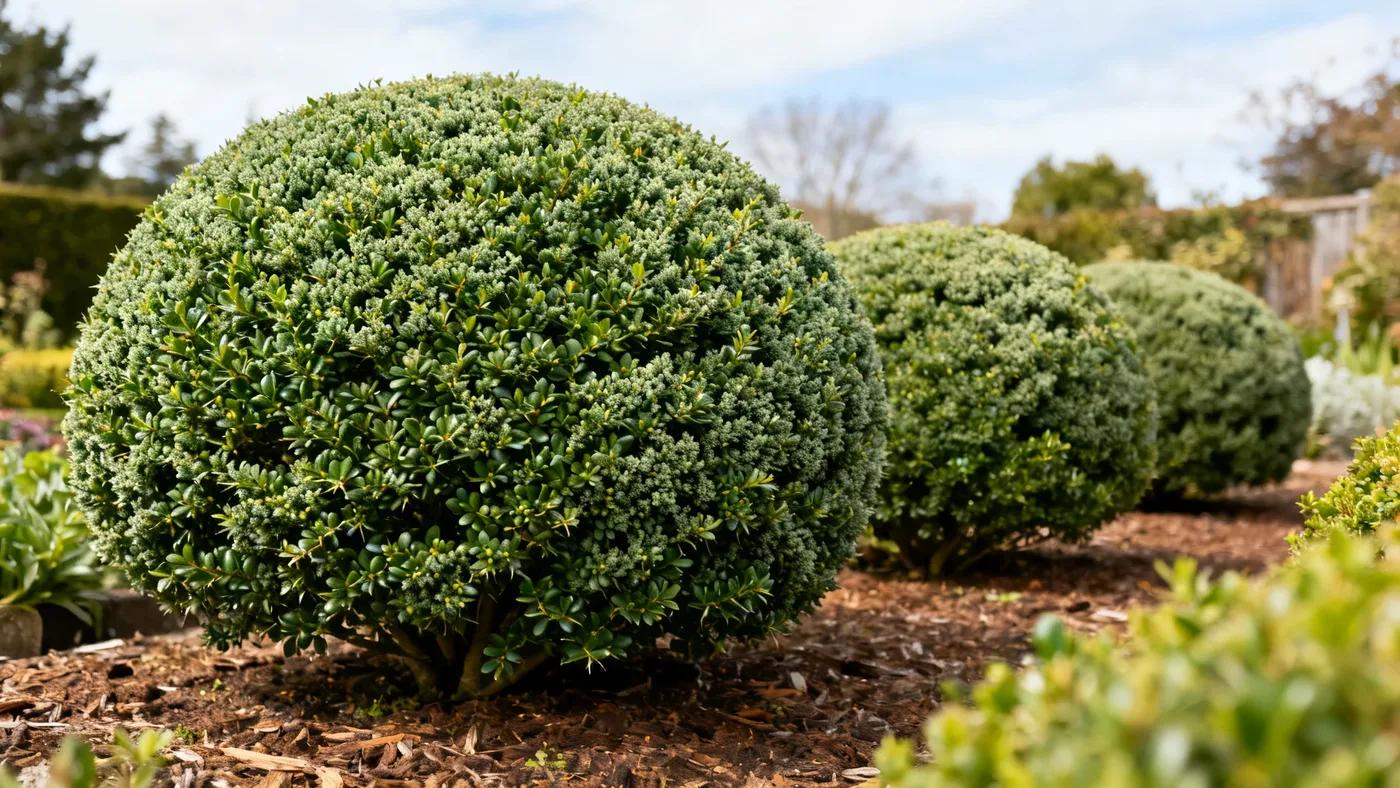
7 Common Soft Touch Japanese Holly Problems and Fixes
Soft Touch Japanese Holly is a reliable, low-maintenance shrub for most gardeners, but like any plant, it runs into trouble now and then. The good news is that most problems are easy to spot and fix once you know what to watch for. Whether you are dealing with discolored foliage, pest damage, or disease, this guide walks you through the most common issues and how to address them before they threaten your plant's health.
1. Yellowing Leaves (Chlorosis) in Alkaline Soil
If your Soft Touch Japanese Holly is developing yellow leaves while the veins stay green, you are likely looking at iron chlorosis. This happens when the plant cannot absorb iron from the soil, usually because the soil pH is too high (alkaline rather than acidic). Soft Touch Japanese Holly prefers soil with a pH between 5.0 and 6.5. When soil drifts toward neutral or alkaline conditions, iron becomes locked up and unavailable to the plant, even if it is present in the soil.
Check your soil pH with a home test kit from a garden center or by sending a sample to your local extension service. If you confirm alkalinity is the culprit, you have two paths forward. The quickest fix is to apply a chelated iron spray or soil amendment designed to lower pH and release iron directly to the roots. You can also work sulfur or acid-forming mulch like pine needles into the top 2 to 3 inches of soil around the base. This process takes longer but lowers pH more permanently.
Practical takeaway: Chlorosis signals a soil pH problem, not a watering or nutrient issue. Test your soil first. If pH is already in the 5.0-6.5 range, the problem may be poor drainage or compacted soil preventing iron uptake, in which case improving soil structure is the answer.
2. Winter Leaf Burn and Browning
Winter leaf burn appears as brown, scorched, or bleached patches on the foliage, usually on the side of the plant facing wind or harsh sun. This happens when the plant loses water through its leaves faster than the root system can replace it, particularly in cold weather when the soil is frozen and roots cannot absorb water. Winter winds and low humidity exacerbate the problem. Soft Touch Japanese Holly holds its foliage year-round, so it is exposed to winter stress that deciduous plants avoid.
Prevention is far easier than recovery. Site your plant in part shade if you live in a region with harsh winters or strong winter winds. In zones 5 and 6, a sheltered location is worth the planning. If you already have an exposed plant, apply a winter anti-desiccant spray in late fall (typically November in most of the plant's growing range) to seal the foliage and reduce water loss. Once burn appears, you cannot reverse the damage on those leaves, but light pruning in late winter or early spring will remove the affected growth and encourage fresh foliage.
Practical takeaway: Winter leaf burn is cosmetic damage that does not usually kill the plant, but it signals poor siting. Move new plants away from west-facing or windward positions. Established plants often recover and regrow without intervention by spring.
3. Root Rot and Wilting Despite Wet Soil
Root rot is the most serious problem you can encounter with Soft Touch Japanese Holly, and it comes in two forms. Black root rot, caused by the fungus Thielaviopsis, colonizes the root system and gradually cuts off water and nutrient flow. The plant wilts, leaves lose their vibrant green color, and growth slows or stops. The second type is simple overwatering rot: the roots sit in soggy soil and oxygen becomes depleted, causing roots to decay. Both end with a dead or dying plant if not caught early.
The root cause of both is almost always poor drainage. Soft Touch Japanese Holly needs moist, well-drained, humus-rich soil. If your soil holds water for days after rain, or if the plant is in a low spot that stays wet, root rot will eventually develop. If you suspect root rot, check the soil. If it smells sour or the roots are visibly black and mushy when you gently expose them, root rot has already progressed significantly. Dig out the plant and amend the planting hole with perlite, coarse sand, and compost to improve drainage before replanting in the same spot, or move the plant to a better-draining location entirely.
Practical takeaway: Soft Touch Japanese Holly is not drought tolerant and needs supplemental water during dry spells, especially in its first 1 to 2 years. But wet is not the same as consistently moist. Water when the top inch of soil is dry, never so often that the soil stays soggy. If drainage is poor, amend the soil or move the plant.
4. Scale Insects
Scale insects are small, hard-shelled pests that attach to stems and the undersides of leaves, sucking sap and weakening the plant. You may see them as tiny bumps or waxy clusters along the branches. Infested plants develop yellowing or mottled leaves, sticky honeydew deposits (which attract sooty mold), and slow growth. Scale can persist for weeks unnoticed because they do not move once they settle, and their shell-like coating protects them from casual spraying.
Light infestations can be managed by hand or with a stiff brush to scrape off the pests and their shells. For moderate to heavy infestations, apply an insecticidal soap or horticultural oil spray. Timing matters: apply in late winter or early spring before new growth hardens, or follow the label timing for your product. You may need two or three applications spaced 7 to 10 days apart to catch newly hatched crawlers. Inspect the plant regularly for the first few weeks after treatment to confirm the pests are gone.
Practical takeaway: Scale insects thrive on stressed plants. Keep your Soft Touch Japanese Holly healthy with proper watering and drainage, and it will have better natural resistance. Check the undersides of leaves periodically during the growing season as part of routine care.
5. Spider Mites
Spider mites are not insects but arachnids, and they are nearly invisible to the naked eye. You usually notice them only when there are thousands of them. The first sign is fine stippling or yellowing on the foliage, as if someone sprinkled the leaves with dust. Look closely at the undersides of leaves, and you may see very fine webbing and tiny moving specks. Spider mites thrive in hot, dry conditions and can multiply rapidly, potentially causing significant damage if left unchecked.
Increase humidity around the plant by misting the foliage with water in early morning or late afternoon. Mites dislike wet leaves. For active infestations, spray the plant with a miticide or horticultural oil, making sure to wet both sides of the foliage thoroughly. Follow the label for repeat applications, which are often necessary every 7 to 10 days. Do not spray in direct sun or during the hottest part of the day, as heat can damage the foliage or reduce the effectiveness of the spray.
Practical takeaway: Spider mites are easier to prevent than to eliminate. Avoid planting Soft Touch Japanese Holly in excessively hot, exposed sites where it stays dry. Water regularly and maintain consistent soil moisture during the growing season to keep the plant vigorous and less attractive to mites.
6. Leaf Miners
Leaf miners are the larval stage of small flies or sawflies that tunnel inside the leaf tissue, creating tan, brown, or translucent serpentine trails. The damage is mostly cosmetic, but heavy infestations can reduce the plant's vigor and appearance. You cannot spray inside the leaf where the larvae are hidden, which makes leaf miner control challenging. The damage appears suddenly in mid-summer and can seem alarming the first time you see it.
Most leaf miner damage is mild enough to ignore, especially if the plant is otherwise healthy. Light pruning to remove heavily affected leaves will improve the appearance and remove some larvae. If miners are severe, apply a systemic insecticide early in the growing season before the adults lay eggs and the larvae tunnel in. However, on a plant as tough and relatively pest-resistant as Soft Touch Japanese Holly, systemic sprays are rarely necessary. Focus instead on maintaining vigor through proper care and watering.
Practical takeaway: Leaf miners rarely cause permanent damage to Soft Touch Japanese Holly. If the trails bother you cosmetically, remove the affected leaves or wait for them to drop naturally. Healthy, established plants recover quickly.
7. Leaf Spot Diseases
Leaf spot appears as dark brown or black circular lesions on the foliage, sometimes with a yellow halo around the edge. These diseases are fungal or bacterial infections that spread in wet conditions, especially when water sits on the leaves for extended periods. Soft Touch Japanese Holly leaf spot does not usually kill the plant but can cause significant defoliation if left unchecked, weakening the shrub and ruining its appearance.
Improve air circulation by spacing plants 2.5 to 3 feet apart (as recommended for hedging or massed plantings) and avoiding overhead watering. Water at the soil level in early morning instead of spraying foliage, which gives leaves time to dry quickly. If leaf spot is already present, remove and discard the affected leaves or branches, being careful not to spread the disease to other parts of the plant. Fungicidal sprays containing sulfur or copper may help on susceptible plants, but once damage is visible, recovery is slow. Most healthy plants outgrow leaf spot damage if given time and proper care.
Practical takeaway: Leaf spot is a sign of poor air circulation or wet foliage conditions. Fix the environment, and the disease pressure drops naturally. New growth will be disease-free if conditions improve.
Quick Reference: Soft Touch Japanese Holly Problems at a Glance
| Problem | What to Look For | First Step |
|---|---|---|
| Chlorosis (yellow leaves) | Yellow foliage with green veins; alkaline soil | Test soil pH; target 5.0-6.5 |
| Winter leaf burn | Brown, scorched patches on windy side | Relocate or shelter with winter spray |
| Root rot | Wilting despite wet soil; mushy black roots | Improve drainage; amend soil or move plant |
| Scale insects | Hard bumps on stems; yellowing leaves | Scrape off by hand or spray with insecticidal soap |
| Spider mites | Stippled yellow leaves; fine webbing underneath | Increase humidity; mist foliage regularly |
| Leaf miners | Tan or brown wiggly trails inside leaves | Prune affected leaves; maintain plant vigor |
| Leaf spot | Dark brown or black lesions with yellow halos | Improve air circulation; water at soil level only |