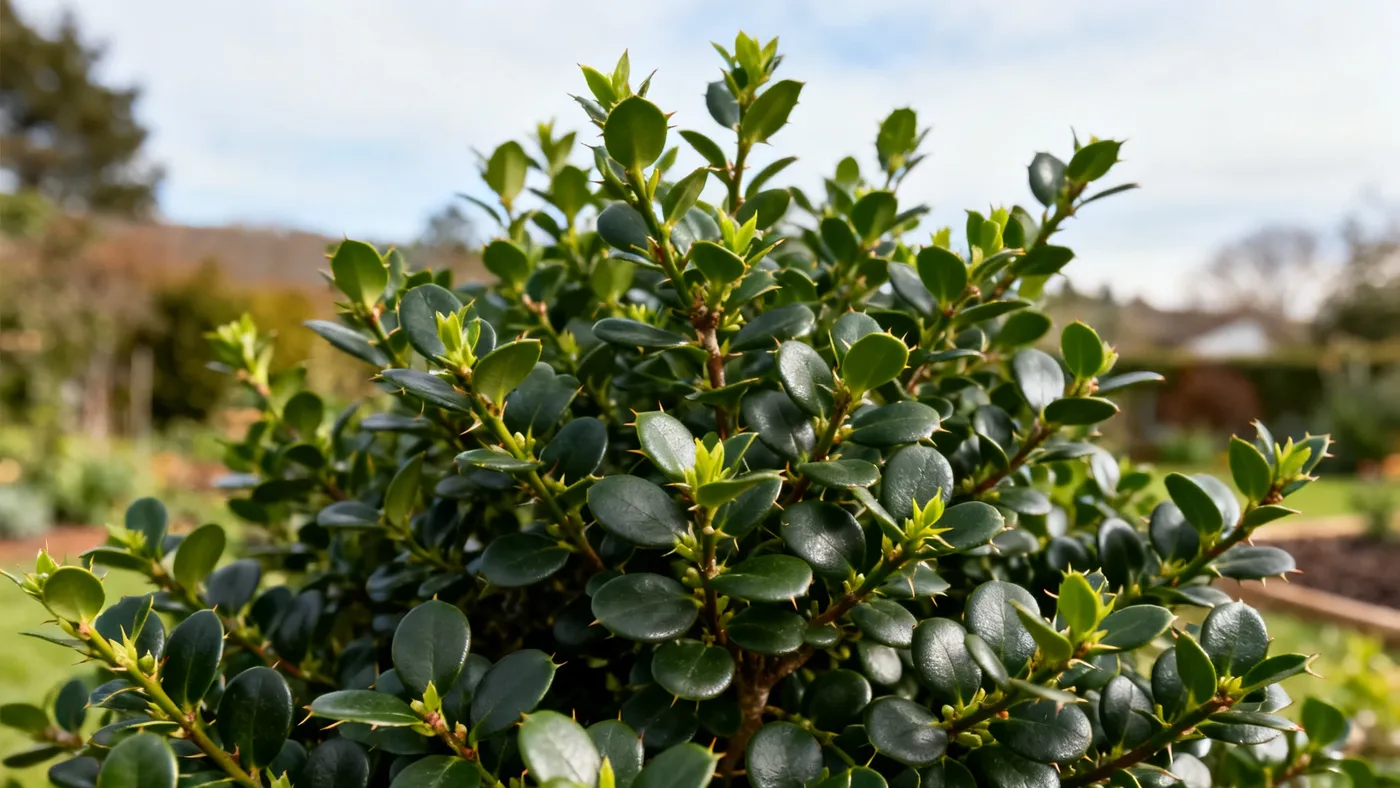
Soft Touch Japanese Holly vs Helleri and Other Ilex Cultivars
If you're shopping for a Japanese holly cultivar, you've probably noticed the options: Soft Touch, Helleri, Compacta, Sky Pencil, Steeds. All belong to the same species, Ilex crenata, but each brings different strengths to a garden or landscape. This guide cuts through the jargon and helps you pick the one that actually fits your space and timeline.
Understanding Ilex Crenata Cultivars: What Sets Them Apart
The Japanese holly species (Ilex crenata) has spawned dozens of cultivated selections, each selected for traits like leaf size, mature form, growth rate, or hardiness. Unlike evergreen boxwoods that sometimes replace them, these hollies tolerate wider soil ranges and often grow more slowly, which means less pruning work over time. But "slower" is relative, and the differences between cultivars matter if you're planning a hedge that needs to fill in by year three, or a container planting for your patio.
The cultivars worth comparing fall into three loose groups: the very compact and mounding types (like Soft Touch and Helleri), the taller columnar forms (Sky Pencil), and the mid-sized spreaders (Compacta, Steeds). Each performs best in specific roles.
Soft Touch vs Helleri: The Head-to-Head Matchup
Soft Touch and Helleri are the two most common dwarf Japanese hollies on the market, and home gardeners often compare them directly. Here's what you need to know.
| Attribute | Soft Touch Japanese Holly | Helleri Japanese Holly |
|---|---|---|
| Mature Height | 2–3 ft | 2–3 ft (check with nursery for exact cultivar specs) |
| Mature Width | 3–4 ft | 3–4 ft (may vary; check source) |
| Growth Rate | Slow, ~3–6 inches per year | Slow (exact rate varies; verify with grower) |
| USDA Zones | 5–8 (zone 8 varies with heat/humidity) | Similar range; verify locally |
| Foliage Character | Fine-textured, soft non-spiny leaves, dark green | Slightly smaller or finer leaves; similar soft texture |
| Spacing (Hedging) | 2.5–3 ft apart | Check with local grower |
| Container Suitability | Excellent; works in containers with drainage | Good; similar requirements |
| Winter Interest | Dense mounded green form year-round | Similar evergreen appeal |
The practical difference between Soft Touch and Helleri often comes down to availability and local nursery stock. Both are mounding, slow-growing, and fine-textured. Soft Touch is well-documented for a mature height of 2–3 feet and width of 3–4 feet with 2.5–3 foot spacing for hedges. Helleri performs similarly, but since specific cultivar specs vary by grower, ask your nursery directly about their stock before planting. Both handle zones 5–8, though performance in zone 8 depends on summer heat and humidity.
Other Notable Ilex Crenata Options
Beyond Soft Touch and Helleri, three other cultivars deserve mention:
Compacta is marketed as a more compact option. It tends toward a denser, more tightly-branched form than Soft Touch, making it useful for tight spaces or when you want faster visual density. Specs vary by grower, so confirm mature size locally before committing.
Sky Pencil is the outlier: columnar and narrow, designed for vertical accent work rather than hedging. If you need height without width, or a narrow screen along a path, Sky Pencil fills that role. It's slower-growing than the mounding types, so patience is required.
Steeds is a mid-sized spreader that sits between Soft Touch and the more expansive cultivars. It's useful when you want a low-mounding screen that spreads wider than typical dwarf forms. Again, check local availability and specs, as stock can vary.
Because detailed horticultural specs for these cultivars are not consistently documented across nurseries, I recommend calling ahead or visiting a local grower to see plants in person. What works as a 3-foot-tall spreader at one nursery may perform differently in your zone or soil.
Pros and Cons by Cultivar
Soft Touch Japanese Holly
Pros: Well-documented mature size (2–3 ft tall, 3–4 ft wide). Slow growth means less shearing. Fine texture adds refinement to foundation plantings. Soft, non-spiny foliage is safer around kids and pets than spiny true hollies. Excellent in containers. Works in acidic to slightly acidic soil (pH 5.0–6.5).
Cons: Slow growth means a hedge takes 3–5 years to mature. Requires consistent moisture the first 1–2 years. Lower drought tolerance than tougher shrubs. Can develop root rot if drainage is poor. Winter leaf burn possible in very exposed sites.
Helleri Japanese Holly
Pros: Similar mounding habit to Soft Touch. Soft foliage texture. Generally good deer resistance. Container-friendly. Relatively hardy.
Cons: Slower growing than some alternatives. Specs vary by nursery, so harder to predict exact mature size. Also susceptible to root rot in poorly drained soil. Requires consistent moisture during establishment.
Compacta
Pros: Very dense branching for a tighter appearance. Useful for tight foundation spaces. Slow-growing habit requires minimal pruning once established.
Cons: Often pricier than standard Soft Touch or Helleri. Slower to fill a space than faster-growing hedging shrubs. Requires the same moisture consistency and drainage.
Sky Pencil
Pros: Narrow columnar form perfect for vertical accents, narrow screens, or small spaces. Unique silhouette distinguishes it from mounding types. Good for containers in narrow locations.
Cons: Not suitable for typical hedging work. Very slow growth (can take years to reach meaningful height). Taller cultivars may be harder to find or more expensive. Requires more precise pruning to maintain columnar shape.
Steeds
Pros: Mid-sized form bridges the gap between dwarf and standard hollies. Wider spread than Soft Touch without being overly large. Good for landscape situations needing horizontal emphasis.
Cons: Less commonly available than Soft Touch or Helleri. Specs inconsistent across growers. Still slow-growing and moisture-dependent.
Best For: Matching the Cultivar to Your Needs
Low Hedging and Edging
Choose Soft Touch or Helleri. Both stay in the 2–3 foot range naturally. Space them 2.5–3 feet apart (Soft Touch specs) or per your nursery's recommendation. Light shearing in late winter or early spring keeps them tidy without constant work.
Foundation Planting Around Houses
Soft Touch excels here. Its documented mature width of 3–4 feet and height of 2–3 feet fit standard foundation designs. A single plant softens a corner; a trio creates impact without swallowing the house. Pair it with taller broadleaf evergreens like hydrangeas or azaleas for layered texture.
Narrow Urban Spaces or Vertical Screening
Choose Sky Pencil. If you need height but have only 18–24 inches of width, Sky Pencil's columnar habit is the answer. Expect slower fill, so plant it where mature size is realistic for your timeline.
Dense, Formal Foundation Work
Consider Compacta if budget allows. Its tighter branching creates a more formal, manicured appearance faster than standard Soft Touch, though growth is still slow. Useful for very formal landscape styles where every plant is a deliberate accent.
Mass Planting for Texture and Scale
Soft Touch works well in groups of three to five, spaced 2.5–3 feet apart. The slow growth rate means the planting looks intentional from year one and fills gracefully over 3–5 years.
Container Gardening
Both Soft Touch and Helleri work beautifully in containers with adequate drainage and winter protection in zones 5–6. Compacta is also suitable. In colder zones, move containers against the house or wrap pots in winter to protect roots from deep freeze.
Hardiness, Soil, and Climate Considerations
Soft Touch thrives in USDA zones 5–8, though zone 8 performance varies with regional heat and humidity. All these Ilex crenata cultivars prefer acidic to slightly acidic soil (pH around 5.0–6.5). If your soil trends alkaline, expect chlorosis (yellowing foliage) and consider amending with sulfur or peat before planting. They all tolerate clay soil if drainage is adequate, but none forgive waterlogged roots. In dry climates or during drought, supplemental watering is essential, especially the first 1–2 years.
Winter leaf burn can occur in exposed sites (especially in zones 5–6 where cold wind sweeps a plant all winter). Site them with afternoon shade in hot zone 8 regions to reduce stress.
Growth Rate and Timeline Expectations
Soft Touch grows roughly 3–6 inches per year. That means a quart-size nursery plant (typically 6–8 inches tall) reaches its mature 2–3 feet height in roughly 4–6 years. A #1 container plant (usually 10–12 inches) matures in 3–5 years. If you're planting a hedge and want fuller coverage by year three, space plants at the smaller end (2.5 feet) and accept that they'll touch or slightly overlap as they age. All the Ilex crenata cultivars are slow growers, so managing expectations upfront prevents disappointment.
Pests, Diseases, and Common Issues
Japanese hollies in general face similar pest and disease pressures. Scale insects, spider mites, and leaf miners can appear, especially on stressed plants. Root rot from poor drainage is the most common reason plants decline. Black root rot and leaf spot can develop in overly wet conditions. To prevent problems, ensure well-drained soil, avoid overwatering, and prune out any dead wood promptly. A light annual feeding in early spring with an acid-forming, slow-release shrub or holly fertilizer supports vigor without forcing excessive soft growth.
Cost and Availability
Soft Touch, Helleri, and Compacta are widely available at regional nurseries and through mail-order growers, usually in quart, #1, and #3 containers. Sky Pencil and Steeds are less common but can be sourced from specialty growers. Prices vary regionally and by plant size, so shop locally before ordering online. Smaller plants cost less but take longer to establish and mature. Container-grown plants (not bare-root) are standard for hollies.
The Verdict: When to Choose Soft Touch
Soft Touch Japanese Holly is the right choice if you want a well-documented, proven performer for foundation plantings, low hedging, and container work. Its mature size (2–3 ft tall, 3–4 ft wide) is predictable, its soft texture is distinctive, and its slow growth (3–6 inches per year) means you'll do less pruning over time. Pair it with a plan: give it consistent moisture and well-drained, acidic soil during the first 1–2 years, space it 2.5–3 feet from neighbors in a hedge, and expect 3–5 years to reach maturity.
Choose Helleri if Soft Touch is unavailable locally, and verify specs with your nursery. Go with Compacta if you want a tighter, more formal appearance and budget allows. Select Sky Pencil only for narrow vertical screening, where its columnar habit is essential. And pick Steeds if you need a wider spreader and your nursery stocks it.
Start by reading our complete Soft Touch care guide, then follow our planting instructions to set your shrubs up for success.
Quick Reference: Soft Touch vs Competitors at a Glance
| Use Case | Best Choice | Why |
|---|---|---|
| Standard low hedge | Soft Touch or Helleri | Documented 2–3 ft height, 2.5–3 ft spacing works |
| Foundation softening | Soft Touch | Predictable 3–4 ft spread, fine texture, safe foliage |
| Narrow vertical screen | Sky Pencil | Columnar form fills height without width |
| Formal, dense appearance | Compacta | Tight branching, slow growth for manicured look |
| Container on patio | Soft Touch or Compacta | Both drain well, stay size-controlled, winter-hardy with protection |
| Mass planting for impact | Soft Touch | Easy to source, documented spacing, fills gracefully |
| Fastest full-size result | Helleri (verify growth rate) | Sometimes slightly faster than Soft Touch; confirm with grower |