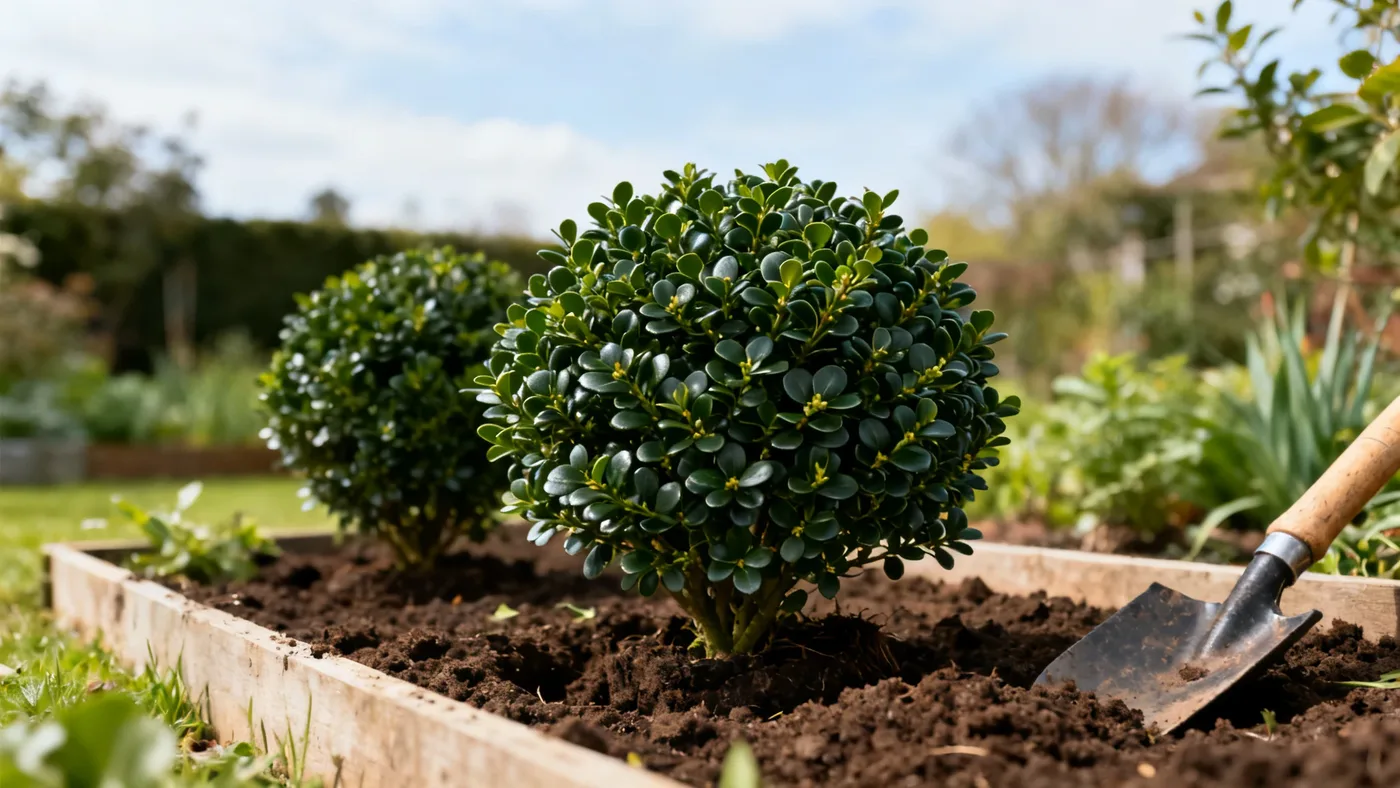
How to Plant Soft Touch Japanese Holly for a Strong Start
Soft Touch Japanese Holly thrives when you get the planting fundamentals right. This compact evergreen shrub, with its soft, fine-textured foliage, rewards careful placement and soil prep with dense mounding growth that holds its shape for decades. Whether you are creating a low hedge, anchoring a foundation, or mass-planting for screening, the first few weeks after planting are critical to long-term success.
What You'll Need
Gather these materials before you dig:
- A spade or shovel for digging
- Potted Soft Touch Japanese Holly plants (usually nursery-grown in quart, #1, or #3 containers)
- Well-drained, humus-rich soil amended with peat moss, compost, or aged bark
- Soil pH test kit (optional but recommended)
- A ruler or measuring tape for spacing
- Mulch (2 to 3 inches deep): shredded bark, aged wood chips, or composted leaves
- Water source and hose or watering can
- Pruning shears for removing damaged roots or foliage
When to Plant Soft Touch Holly
Timing matters more than most gardeners realize. Plant Soft Touch Japanese Holly in spring or fall, avoiding peak summer heat and hard winter freezes. Spring planting (March through May in most zones) gives the shrub the full growing season to settle roots before winter. Fall planting (September through October) works equally well in zones 5 through 8, as cooler soil temps reduce transplant shock while the plant still has weeks to root in before ground freeze.
Summer planting is possible but risky. High heat stresses newly planted shrubs, and consistent watering becomes mandatory. If you must plant in June through August, choose morning planting time, keep soil consistently moist for the first 4 weeks, and expect slower establishment.
Winter planting should be avoided. Ground freeze locks moisture availability, and frost heave can dislodge fresh transplants.
Choosing the Right Location
Soft Touch Japanese Holly grows in full sun to part shade, but siting matters. In cooler zones (5 and 6), full sun promotes the densest foliage. In warmer climates, part shade in the afternoon heat reduces stress and actually delivers better foliage density. Avoid deep shade; the shrub will thin and stretch.
Look for a spot with good air circulation but not constant wind exposure. High winds in winter can scorch foliage. If your site is windy or near salt spray (coastal areas), note that Soft Touch has low to moderate salt tolerance, so position it away from splash zones and wind tunnels if possible.
Ensure your chosen location has adequate drainage. This shrub is not drought tolerant once established, but it absolutely cannot tolerate standing water. Soggy soil invites root rot faster than anything else.
Preparing Your Soil
Soft Touch Japanese Holly prefers moist, well-drained, humus-rich soil with a pH between 5.0 and 6.5 (acidic to slightly acidic). If you have not tested your soil, now is the time.
Soil test: A simple pH test kit from any garden center takes 10 minutes. If your soil reads above 6.5, amend it with sulfur or peat moss to lower pH. If it reads well below 5.0, add lime. Most home gardens sit in the 6.5 to 7.5 range, so expect to work slightly acidifying amendments into the planting hole.
Digging the hole: Make the planting hole twice as wide as the root ball and equally deep. For a #1 container (common nursery size), dig a hole about 18 inches wide and 12 inches deep. If your soil is heavy clay, dig deeper and plan to amend. Clay, if adequately drained, is tolerable; poorly drained clay is a death sentence.
Soil amendment: Mix removed soil with aged compost, peat moss, or composted bark at a 50/50 ratio. This adds structure, drainage, and organic matter. Avoid fresh manure or overly rich amendments; they promote tender growth and root rot.
Backfill mixture: Save this amended mix for backfilling around the root ball. Do not use pure potting soil or peat in the planting hole; roots will not transition easily into native soil.
Step-by-Step Planting Instructions
- Remove the plant from its container. Gently slide the Soft Touch Holly from its pot. If roots are circling tightly, use a pruning shear to make 2 to 3 shallow vertical cuts down the side of the root ball. This encourages roots to grow outward into the surrounding soil rather than continuing to circle.
- Inspect the roots. Healthy roots are light tan or white. Black, mushy, or foul-smelling roots indicate root rot; trim these away with clean shears. If more than 25% of the root system is damaged, contact your nursery.
- Position the plant. Set the Soft Touch Holly in the center of your prepared hole. The top of the root ball should sit at or slightly above ground level. Planting too deep (burying the trunk base) invites root collar rot; too shallow exposes roots to drying. Use a straightedge (a garden stake works) across the hole to check depth.
- Backfill the hole. Fill halfway with your amended soil mixture, gently firming as you go with your hands (not your foot). Water lightly to settle soil. Finish filling to ground level, again firming gently. The soil should be snug but not compacted.
- Create a water basin. Form a low berm of soil around the planting hole, about 3 to 4 inches tall, creating a shallow basin. This catches water and directs it to the root zone instead of running off.
- Water thoroughly. Fill the basin and let water soak down slowly. A thorough watering settles the soil and eliminates air pockets around roots. Wait a few hours, then water again if the soil feels dry an inch below the surface.
- Apply mulch. Once the soil is settled, spread 2 to 3 inches of mulch (shredded bark or wood chips) over the basin, keeping it 2 to 3 inches away from the shrub's base. Mulch holds moisture and regulates soil temperature but can invite rot if piled against the stem.
After Planting Care (First 1-2 Years)
The weeks and months following planting are crucial. Soft Touch Japanese Holly needs consistent moisture during its first growing season and into the second year. It is not drought tolerant in this establishment phase.
Watering schedule: Water deeply twice a week if rainfall is less than 1 inch per week. Check soil 2 inches down; if it feels dry, water. During the hottest months (June through August), you may water every 4 to 5 days. By the second year, gradually reduce frequency as the root system expands into surrounding soil.
Do not fertilize immediately. Fresh transplants need time to recover, not extra nutrients. If you fertilize, wait until the second spring, then apply a light application of an acid-forming, slow-release shrub or holly fertilizer in early spring. Avoid over-fertilizing; it promotes tender growth that invites pests.
Pruning: Resist the urge to prune in the first year. Let the plant establish. Soft Touch naturally grows in a mounded form and needs minimal pruning to maintain its shape. When pruning is necessary (usually after 2 to 3 years), do light shearing in late winter or early spring before new growth, or after the main flush in early summer.
Common Planting Mistakes to Avoid
Planting too deep. This is the #1 culprit. Burying the crown of the plant (where the stem meets the soil) leads to root collar rot and slow decline. Plant so the top of the root ball sits level with or slightly above the surrounding grade.
Poor drainage soil. Heavy clay without amendment, or a low-lying spot where water pools, will kill Soft Touch faster than drought. If your yard is naturally wet, either build a raised bed or choose a better-drained site.
Wrong soil pH. Alkaline soil (above 6.5) causes chlorosis (yellowing of foliage despite green veins). If you have not amended for pH, your new planting may show decline in year 2. Test before planting, not after.
Inconsistent watering. Soft Touch is not drought tolerant in its first 1 to 2 years. Letting soil dry out repeatedly stresses the shrub and opens the door to spider mites and scale insects. Consistent moisture is non-negotiable.
Summer planting without shade cloth. If you must plant in heat, shade the new planting for the first 2 to 3 weeks. Direct afternoon sun on a newly transplanted shrub invites dehydration.
Mulch touching the stem. Mulch piled against the base of the shrub traps moisture, inviting rot. Keep mulch 2 to 3 inches away from the stem.
Expected Growth and Results
Soft Touch Japanese Holly grows slowly, roughly 3 to 6 inches per year. A #1 container plant (typically 12 to 18 inches tall at purchase) will reach 2 to 3 feet tall and 3 to 4 feet wide in 3 to 5 years under good conditions. This is a long-term investment in a shrub that holds its dense, mounded shape and maintains its fine-textured, soft green foliage year-round.
You may notice some leaf loss or discoloration in the first few weeks after planting. This is normal transplant stress and typically resolves as the plant roots in. Consistent watering and patience are your allies.
For more information on maintaining your Soft Touch Holly after the first season, see the complete care guide.
Quick Reference Planting Checklist
| Task | Timing / Notes |
|---|---|
| Planting season | Spring (March-May) or fall (Sept-Oct) |
| USDA hardiness zones | Zones 5-8 |
| Site sunlight | Full sun to part shade; part shade in hot zones |
| Soil pH target | 5.0-6.5 (acidic to slightly acidic) |
| Hole depth and width | 2x root ball width; same depth as root ball |
| Spacing (hedges/masses) | 2.5-3 feet apart |
| Backfill mix | 50% native soil + 50% compost or peat |
| Water basin | 3-4 inches tall berm around planting hole |
| Mulch depth | 2-3 inches; keep 2-3 inches from stem |
| First-year watering | 2x per week if rainfall under 1 inch |
| Mature size (years 3-5) | 2-3 feet tall x 3-4 feet wide |
| Growth rate | Slow; roughly 3-6 inches per year |